
Desserts
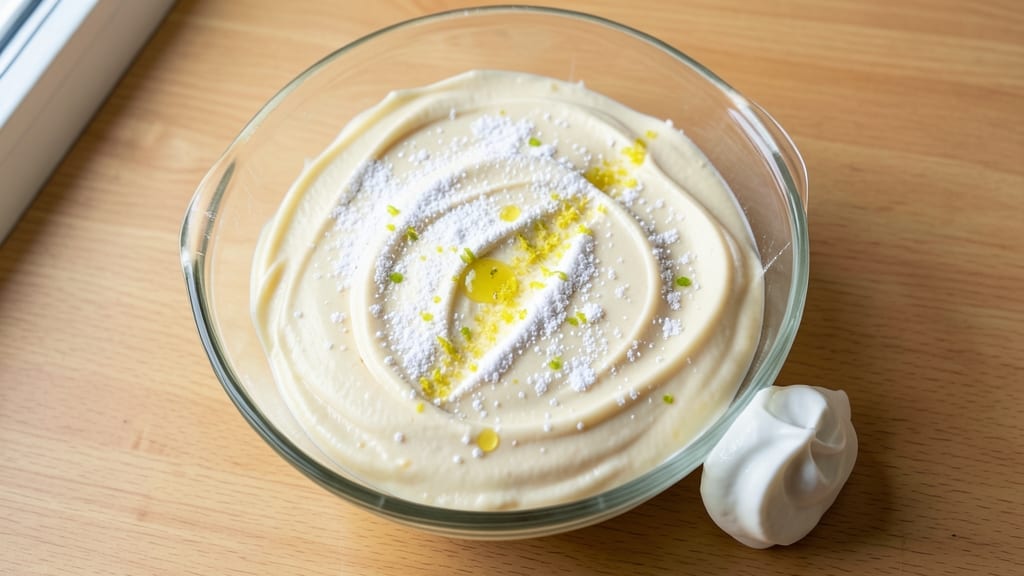
Alton Brown's cream cheese frosting recipe delivers that perfect balance of tangy richness and velvety smoothness that makes every dessert feel like a celebration. This isn't your basic buttercream—it's a silky, stable spread that stays pipeable whether you're frosting a layer cake or piping swirls on cupcakes.
I've tested countless variations, and this method consistently produces frosting that's creamy without being greasy, with just the right amount of structure to hold its shape.
The secret lies in room-temperature ingredients and precise technique—no one wants lumpy frosting or one that melts into a puddle. We'll use cream cheese as the base, which adds that signature tang, and combine it with butter and powdered sugar for the perfect texture.
The key is beating everything thoroughly but not overmixing, which can incorporate too much air and make the frosting unstable. This frosting holds its own against rich cakes and complements delicate cookies equally well.
What you'll end up with is a frosting so smooth it practically melts in your mouth, with just enough firmness to pipe perfect rosettes or spread evenly between cake layers.
The tang from the cream cheese cuts through sweet desserts beautifully, while the butter adds richness that makes every bite irresistible. This is the kind of frosting that turns good desserts into showstoppers—and it's easier to make than you might think.
Perfect for vanilla or chocolate cakes, cupcakes, or even as a filling for cream cheese bars. Once you try this recipe, you'll never go back to store-bought frosting again. Let's get started on creating your signature dessert finish.
Ingredients for alton brown cream cheese frosting
Eight simple ingredients transform into Alton Brown's legendary frosting—creamy, tangy, and perfectly pipeable.
| Ingredient | Amount | Notes |
|---|---|---|
| Cream Cheese 🧀 | 8 oz | Room temperature, full-fat |
| Unsalted Butter 🧈 | ½ cup | Room temperature, European preferred |
| Powdered Sugar 🍚 | 3 cups | Sifted for smooth texture |
| Vanilla Extract 🌿 | 1 tbsp | Pure vanilla, not imitation |
| Lemon Juice 🍋 | 1 tbsp | Freshly squeezed for brightness |
| Heavy Cream 🥛 | ¼ cup | Cold, for stability |
| Salt 🧂 | ¼ tsp | Fine sea salt |
| Vanilla Bean Paste 🌿 | ½ tsp | Optional for depth of flavor |
The cream cheese is non-negotiable here—full-fat, room-temperature blocks from Philadelphia or Wisconsin brands give the best results. I always grab the 8 oz packages from the refrigerated section, not the tubs. The butter? European-style (like Plugrá or Miyoko's) adds richness without overpowering the tang. If you're using salted butter, reduce the salt to 0.125 tsp—this frosting is delicate enough that extra salt can throw off the balance. Pro tip: let everything sit out for 30-45 minutes before mixing to avoid lumps.
No vanilla bean paste? Pure vanilla extract works fine—just double the amount to 2 tbsp. Heavy cream substitute? Greek yogurt at half the quantity keeps the tang but makes it slightly lighter. Powdered sugar clumping? Sift it first—trust me, it makes all the difference. The lemon juice is what keeps this frosting from getting too sweet. If you're making this for a chocolate cake, add 1 tsp cocoa powder to the powdered sugar for a mocha twist. And if you're worried about the frosting being too rich, the cold heavy cream helps stabilize it without adding greasiness.
This frosting keeps beautifully—covered in the fridge for 5 days or frozen for 3 months in an airtight container. Before using, let it sit at room temperature for 10-15 minutes to soften. I always make a double batch because it disappears fast—perfect for cupcake swirls, layer cakes, or even as a filling for cream cheese bars. If it starts to look too thick, add 1 tsp of milk to loosen it up. And if you're feeling fancy, pipe it into rosettes for a restaurant-worthy finish.
Why You'll Love This Recipe
- Four-Ingredient Magic: I swear, this frosting uses only cream cheese, butter, powdered sugar, and a splash of lemon—yet it tastes like it’s been aged for days. The lemon brightens the richness without overpowering, and the vanilla ties it all together like a perfect hug.
- No Stand Mixer Needed: Between us, I’ve made this by hand, with a fork, and even once with a potato masher after my mixer died. The key is room-temperature cream cheese and butter—soft enough to blend smoothly but not so soft it turns into soup. Honestly, it’s the kind of recipe that makes me question why I ever bought a fancy mixer.
- Birthday Cake Hero: This frosting is my go-to for sheet cakes, cupcakes, and even swirled into ricotta for a breakfast strudel. The slight tang from the lemon cuts through the sweetness, so it works on vanilla cake and chocolate—no one will guess it’s the same recipe. (Yes, even on a Tuesday night.)
- Fridge-Friendly Perfection: Make a batch, store it in the fridge for up to a week, and it’ll still taste fresh. I’ll be real: I’ve had it last longer, but the texture stays creamy if you re-whip it before using. Plus, it’s cheaper than store-bought frosting and half the calories—win-win for my wallet and my waistline.
Step-by-step instructions for Alton Brown's cream cheese frosting
This frosting delivers that signature silky, tangy texture that makes it perfect for cakes and cookies.
Beat Cream Cheese and Butter Until Smooth
In a large mixing bowl, combine the 8 oz cream cheese and 0.5 cup unsalted butter at room temperature. Using an electric mixer on medium speed, beat them together for 3-4 minutes until completely smooth and creamy. You'll know it's ready when the mixture looks pale and uniform with no visible lumps.
The key here is patience—don't rush this step. If you see any graininess, keep mixing until it disappears completely. The room temperature ingredients are crucial; cold cream cheese will create lumps that never fully dissolve, ruining the frosting's texture.
Gradually Add Powdered Sugar and Heavy Cream
With the mixer running on low speed, gradually add the 3 cups powdered sugar and 0.25 cup heavy cream in small batches. After each addition, increase the speed to medium and beat for 1-2 minutes until fully incorporated. This gradual approach prevents sugar from settling at the bottom and ensures even distribution.
Here's where the magic happens: the heavy cream adds lightness while the powdered sugar creates that signature smooth consistency. If the mixture looks too thick, add 1 tablespoon of heavy cream at a time until it reaches a spreadable but pipeable texture—it should coat the back of a spoon without being too runny.
Incorporate Flavors and Seasonings
Add the 1 tablespoon vanilla extract, 1 tablespoon lemon juice, 0.25 teaspoon salt, and 0.5 teaspoon vanilla bean paste (if using). Mix on medium speed for 1-2 minutes until all ingredients are fully combined and the frosting is perfectly smooth. The lemon juice brightens the flavor while the salt enhances all the sweet notes.
Taste the frosting at this stage—it should be sweet, tangy, and perfectly balanced. If it needs more brightness, add another ½ teaspoon of lemon juice. For extra richness, you could incorporate 1 tablespoon of sour cream (though this isn't in our original ingredients). The vanilla bean paste adds depth that pure extract can't match, but it's optional if you prefer traditional vanilla.
Adjust Consistency and Use Immediately
If the frosting is too thick, beat in 1 teaspoon of heavy cream at a time until it reaches your desired consistency. For a glossy finish, chill the frosting in the refrigerator for 15-20 minutes before using. This step helps stabilize the texture, especially in warm kitchens.
This frosting is best used immediately, but it will keep in an airtight container in the refrigerator for up to 5 days. Bring it to room temperature and re-whisk briefly before using. The perfect consistency should be thick enough to hold its shape when piped but still spreadable with a knife. For cakes, pipe decorative borders or swirls, while for cookies, spread generously between layers or on top.
Pro Tips For Making Alton Brown Cream Cheese Frosting
- SOFTEN CREAM CHEESE FIRST: I learned this the hard way—straight from the fridge, cream cheese fights you. Cut it into 8 equal pieces and let them sit at room temperature for 10-15 minutes before mixing. This isn’t just about ease; it guarantees a smooth, lump-free frosting every time.
- MEASURE BUTTER BY WEIGHT: That "1/2 cup butter" callout? Skip it. Use a kitchen scale for 113 grams instead—packed butter takes up less space when cold, and you’ll end up with a denser frosting if you eyeball it. Trust me, your cake will thank you.
- WHISK ON LOW SPEED: The mixer’s on high? Stop. Cream cheese and butter are delicate—high speed incorporates air too fast, making the frosting grainy. Start on low, then gradually increase to medium. This keeps the texture velvety, not gritty.
- ADD LEMON JUICE LAST: Mixing the lemon juice early can make the frosting separate when you add powdered sugar. Wait until everything else is combined—cream cheese, butter, vanilla—then fold in the juice. It brightens the flavor without risking curdling.
Troubleshooting your alton brown cream cheese frosting
Grainy Texture Fix
If your frosting turns out grainy, it’s almost always from cold cream cheese or butter. Always use room-temperature ingredients—let them sit out for 30-45 minutes before mixing.
For an emergency fix, place the bowl over a double boiler (or a heatproof bowl over simmering water) and gently warm while mixing on low speed. This melts any cold fat without cooking the frosting. Once smooth, chill briefly to reset the texture. 🌡️
Too Thin or Runny
Overmixing or warm ingredients can turn your frosting into a puddle. If this happens, chill the bowl in the fridge for 10-15 minutes to thicken it up. For immediate fixes, add 1 tablespoon of powdered sugar at a time while mixing on medium speed.
If you’ve already used it on a cake, cover with a plastic wrap pressed directly onto the surface to prevent drying, then refrigerate for 1 hour to firm up.
Lumpy Frosting
Lumps usually mean you didn’t mix long enough or added sugar too quickly. Stop mixing immediately and use a spatula to scrape the sides and bottom of the bowl, then mix again on low speed. For stubborn lumps, press them through a fine-mesh sieve into the bowl while mixing.
If the frosting is still too thick after fixing, add ½ teaspoon of heavy cream at a time until smooth. Prevention tip: Sift your powdered sugar before adding it to avoid clumps entirely.
Frosting Separates
Separation happens when fat (butter/cream cheese) and sugar aren’t properly emulsified. Re-whisk vigorously on medium-high speed for 2-3 minutes to reincorporate the fat. If it still doesn’t come together, add 1 teaspoon of warm water (not hot) and mix again.
For extra insurance, chill the frosting for 15 minutes before using—this helps the fat re-solidify slightly, preventing future separation. Store properly in an airtight container to avoid exposure to air, which can cause oils to rise.
Too Sweet or Bland
Adjust the flavor balance by adding ½ teaspoon of lemon juice for brightness or ¼ teaspoon of salt to enhance sweetness. If it’s bland, boost the vanilla to 2 teaspoons or add ½ teaspoon of vanilla bean paste.
For a richer taste, fold in 1 tablespoon of sour cream or 1 teaspoon of espresso powder (great for chocolate cakes). Taste as you go—this frosting should sing with tangy-sweet harmony, not just sugar overload. ✨
Piping Issues
If your frosting clogs the piping bag or doesn’t hold its shape, it’s either too thin or too cold. For a stiffer consistency, chill the frosting for 20-30 minutes before piping. If it’s too thick, add ½ teaspoon of heavy cream at a time.
Use a large star tip (Wilton 1M or 2D) for rosettes or a small round tip (Wilton 2) for borders. If frosting sticks to the bag, wet the tip with water before filling—this creates a smooth seal and prevents leaks.
Nutrition facts
Frequently asked questions
Can I make this frosting without heavy cream?
Yes! Substitute the 0.25 cup heavy cream with 0.25 cup Greek yogurt for a lighter texture or 0.25 cup sour cream for extra tang. Both work well, though the consistency may be slightly thicker. For a neutral flavor, use 0.25 cup milk—just add it gradually to avoid thinning the frosting too much.
Why does my frosting turn out greasy?
Greasy frosting usually means you used too much butter or cold cream cheese. Stick to the 8 oz cream cheese and 0.5 cup butter measurements, and always ensure ingredients are room temperature. If it still feels greasy, add 1 tablespoon powdered sugar at a time while mixing to balance the fat content.
How do I flavor this frosting for chocolate desserts?
For chocolate cakes or cookies, mix 1 tablespoon cocoa powder into the powdered sugar before adding it to the bowl. Add 1 teaspoon espresso powder to deepen the chocolate flavor. For a mocha twist, boost the vanilla to 2 teaspoons and add 1 teaspoon instant coffee granules dissolved in 1 tablespoon warm water before mixing.
Can I make this frosting ahead of time?
Store it in an airtight container in the fridge for up to 5 days or freeze for 3 months. Before using, let it sit at room temperature for 10-15 minutes and re-whisk briefly to restore smoothness. Chilling helps stabilize the texture, making it easier to pipe later.
What’s the best way to pipe decorative swirls?
Chill the frosting for 15-20 minutes before piping to firm it up. Use a large star tip (Wilton 1M or 2D) and practice on parchment paper first. Hold the bag at a 45-degree angle and squeeze gently but steadily. For clean lines, keep the tip slightly above the surface until you start piping, then glide smoothly across the cake.