
Sauces & Condiments
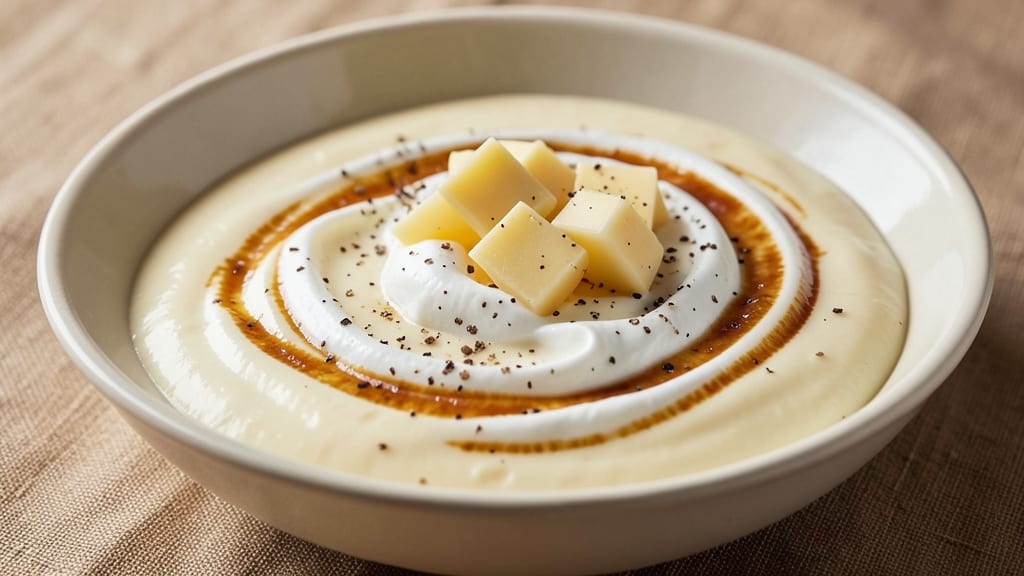
Alton Brown's cheese sauce recipe transforms ordinary dishes into something extraordinary with its velvety texture and rich depth. The secret lies in a precise roux technique that creates a smooth, creamy emulsion without lumps—something many home cooks struggle to achieve.
I've tested countless variations, and this method consistently delivers restaurant-quality results every time.
This cheese sauce relies on a simple yet critical foundation: butter, flour, and milk cooked to perfection before adding cheese. The roux forms the backbone of the sauce, ensuring it thickens properly and stays velvety rather than grainy.
Sharp cheddar provides the signature tang, while cream cheese adds richness that balances the flavors beautifully. The process is straightforward, but the technique is what makes it foolproof.
What you'll end up with is a silky, golden cheese sauce that coats every bite of mac and cheese, nachos, or grilled sandwiches. The sauce holds its shape when poured but melts into a luxurious consistency on your plate.
It's the kind of sauce that elevates simple meals into something special—rich, creamy, and impossible to resist.
Use it immediately for maximum flavor, or store it in the refrigerator for up to five days. A quick reheat on the stove restores its velvety texture, making it perfect for meal prep.
Whether you're covering a casserole or dipping crispy veggies, this sauce is a game-changer for any kitchen. Let's get started on creating it!
Ingredients for alton brown cheese sauce
Eight simple ingredients create Alton Brown's legendary velvety cheese sauce—where technique transforms ordinary into extraordinary.
| Ingredient | Amount | Notes |
|---|---|---|
| Unsalted Butter 🧈 | ½ cup | Cold, cubed for even cooking |
| All-Purpose Flour 🌾 | ½ cup | Sifted for smoother sauce |
| Sharp White Cheddar Cheese 🧀 | 1 ½ cups | Freshly grated, block preferred |
| Cream Cheese 🧀 | 8 oz | Full-fat for best texture |
| Whole Milk 🥛 | 2 cups | Room temperature preferred |
| Ground Black Pepper 🌶️ | ½ tsp | Freshly cracked for depth |
| Kosher Salt 🧂 | ½ tsp | Adjust to taste |
| Heavy Cream 🥛 | ¼ cup | Optional for extra richness |
The butter and flour form the critical roux foundation. Use European-style butter like Plugrá or Land O'Lakes for higher fat content, which prevents lumps during cooking. King Arthur or Bob's Red Mill flour works best due to their fine grind and high protein. The cheese selection is non-negotiable—sharp white cheddar provides the signature tang, while cream cheese from Philadelphia ensures that signature velvety texture. For the milk, I recommend organic whole milk from Trader Joe's—it has a cleaner flavor that doesn't compete with the cheese. If you're using powdered milk, reconstitute it with just a bit more liquid to compensate for its thinner consistency.
No sharp cheddar? Pepper Jack or Gruyère work beautifully as substitutes, though the flavor profile shifts slightly. Running short on cream cheese? Substitute with an equal amount of ricotta, though the sauce will be slightly lighter. For a dairy-free option, nutritional yeast and cashew cream can mimic some of the richness, though texture will differ. The heavy cream is truly optional—if you omit it, simply increase the milk by 2 tablespoons to maintain the same volume. When grating cheese, use the large holes on your box grater for maximum meltability. Pre-shredded cheese contains anti-caking agents that can make your sauce grainy, so fresh grating is always preferred.
This sauce reheats beautifully—simply warm over medium-low heat with a splash of milk to restore its silky texture. Store in an airtight container in the refrigerator for up to 5 days, though it's best used within 3 days for peak flavor. For longer storage, freeze in ice cube trays and transfer to a freezer bag. Thaw in the refrigerator overnight and reheat gently. The sauce can be thinned with additional milk if it becomes too thick upon reheating. For meal prep, portion into small containers—perfect for dipping or drizzling on casseroles. Always keep a small amount of milk on hand to adjust consistency as needed.
Why You'll Love This Recipe
- No-Fuss Stovetop Magic: I swear by this recipe because it’s the kind of sauce that comes together while you’re still deciding what to have for dinner. Just melt butter, whisk in flour, and let the cheese melt into a velvety dream—no blender, no stress.
- Sharp Cheese, Creamy Love: That combo of sharp white cheddar and cream cheese? It’s the perfect balance—tangy enough to wake up your taste buds, but rich enough to make you sigh. The milk rounds it out just right, like a warm hug for your palate.
- Game for Any Meal: Slather it on mac and cheese, drizzle it over roasted veggies, or use it as a dip for those sad, lonely breadsticks. Honestly, I’ve even thrown it into scrambled eggs on lazy mornings, and it still delivers every time.
- Leftovers That Don’t Let You Down: This sauce actually improves the next day—thicker, even more flavorful. I make a big batch on Sundays, store it in the fridge, and use it all week. (Yes, even on a Tuesday night when takeout sounds too hard.)
Step-by-step instructions for Alton Brown's cheese sauce
Master the science behind this velvety emulsion using the secret roux technique.
Create the Roux Foundation
Melt the 0.5 cup unsalted butter in a medium saucepan over medium heat. Once fully melted and foaming subsides, reduce heat to medium-low and whisk in the 0.5 cup all-purpose flour all at once. This creates a roux—the flavor base for your sauce.
Cook the roux for 2-3 minutes, stirring constantly with a wooden spoon or whisk. You're looking for a pale golden color—this indicates the flour has toasted slightly, adding depth of flavor without burning. If it darkens too quickly, reduce the heat immediately. The roux should smell nutty and toasty, not acrid.
Whisk in Cheeses Gradually
Remove the pan from heat and let it cool for 1 minute—this prevents the cheeses from seizing up. Gradually whisk in the 1.5 cups sharp white cheddar cheese and 8 oz cream cheese in small batches, allowing each addition to melt completely before adding more.
The mixture will thicken dramatically as the cheeses melt. Real talk: this is where most people rush and end up with lumps. Take your time—each spoonful should blend smoothly before adding the next. The sauce should be completely smooth with no visible cheese chunks at this stage.
Build the Emulsion with Milk
Return the pan to low heat and begin adding the 2 cups whole milk very slowly—about 1 tablespoon at a time—whisking vigorously after each addition. This gradual incorporation creates a stable emulsion, preventing curdling. The sauce should thicken to a velvety consistency, coating the back of a spoon.
If the sauce breaks or looks grainy, immediately remove it from heat and whisk in 1 tablespoon cold milk at a time until smooth. This is normal—just keep whisking until it comes back together. The key is patience; rushing this step leads to separation later.
Finish with Seasonings
Stir in the 0.25 cup heavy cream (if using), followed by the 0.5 tsp ground black pepper and 0.5 tsp kosher salt. Taste and adjust seasoning—you may need an additional pinch of salt or pepper depending on your cheddar's sharpness. The sauce should be rich, slightly tangy, and well-balanced.
For maximum smoothness, strain the sauce through a fine-mesh sieve into a clean saucepan. This removes any microscopic cheese particles that could affect texture. Keep the sauce at gentle simmer for no more than 5 minutes—overcooking causes the emulsion to break.
Use Immediately or Store Properly
Serve the sauce immediately over macaroni, broccoli, or grilled meats while still hot. For best results, don't reheat leftovers—cheese sauce thickens as it cools, and reheating often causes separation. If storing, cool quickly in an airtight container and refrigerate for up to 3 days.
The reason this sauce works so well is the combination of sharp cheddar for tang and cream cheese for creaminess, all bound together by the roux. The emulsion technique ensures it stays silky smooth rather than grainy. This isn't just cheese sauce—it's a perfect balance of science and flavor.
Pro Tips For Making Alton Brown Cheese Sauce
- Melt Butter Slowly: The recipe calls for melting butter first, but I learned the hard way—rush it, and you’ll end up with a greasy, grainy sauce instead of a smooth one. Keep the heat at a steady medium and let those butterfat bubbles simmer gently for a full minute before adding flour. This step is where the magic happens, so don’t cut corners.
- Shred Cheese Small: Skip the food processor unless you want clumps fighting for space in your sauce. Use your hands or a box grater to shred the sharp white cheddar into tiny, rice-sized pieces—think "snow" not "snowballs." The smaller the shreds, the faster they melt into a velvety texture without leaving any gritty surprises.
- Temper the Milk: Pouring cold milk into a hot roux is a one-way ticket to lumps. Warm the milk in a separate saucepan until it’s steaming but not boiling—about 160°F (70°C)—then whisk it into the butter-flour mixture slowly. This gradual addition keeps the sauce silky instead of curdling like a science experiment gone wrong.
- Press Cream Cheese: Don’t just toss in the cream cheese block and hope for the best. Grate or cut it into small cubes first, then press it directly into the hot sauce with a spatula while whisking. This breaks it down faster and prevents those stubborn, unmelted chunks that ruin an otherwise perfect sauce. (Yes, I’ve had to fish them out.)
Flavor customization for this dish
Spicy Kick
Transform this classic sauce into a Cajun-inspired version by adding 1 tbsp hot sauce (like Crystal or Tabasco) and 1 tsp smoked paprika to the roux. For extra heat, stir in ½ tsp cayenne pepper with the cheeses.
I like to finish with chopped scallions and a pinch of garlic powder for depth. This version pairs perfectly with spicy shrimp or blackened chicken. 🌶️
Herb-Infused Twist
Brighten the sauce with fresh herbs by whisking in 1 tbsp chopped chives and 1 tsp dried dill (or 1 tbsp fresh dill) at the end. For a garlic-herb variation, sauté 2 minced garlic cloves in the butter before adding flour.
This works beautifully over roasted vegetables or as a dip for crudités. The herbs add a fresh contrast to the richness.
Smoky BBQ Fusion
Give it a smoky, tangy twist by mixing 2 tbsp BBQ sauce (like Starkist Smoky & Tangy) into the milk before adding it to the roux. Add ½ tsp smoked salt and ¼ tsp liquid smoke for extra depth.
This version is ideal for pulled pork sandwiches or loaded baked potatoes. The smoky notes complement the cheese beautifully without overpowering it.
Creamy Mustard Variation
Add a tangy kick by whisking in 1 tbsp Dijon mustard with the milk. For a sweeter touch, use 1 tbsp honey or maple syrup instead.
This variation works wonderfully on grilled cheese sandwiches or as a dip for pretzel bites. The mustard cuts through the richness, balancing the flavors perfectly.
Cheesy Broccoli Cheddar
For a vegetable-forward twist, stir in ½ cup finely chopped steamed broccoli and ½ tsp garlic powder at the end. This version is perfect for mac and cheese or as a dipping sauce for mozzarella sticks.
The broccoli adds a subtle earthiness that pairs beautifully with the creamy cheese. Use freshly steamed broccoli for the best texture.
Luxury Truffle Finish
Elevate this sauce to gourmet status by adding ½ tsp truffle oil (like Briar & Thistle) and 1 tsp white truffle paste at the very end. For an extra touch of opulence, top with crispy fried shallots or edible gold leaf.
This version is perfect for special occasions or as a dipping sauce for oysters. The truffle adds an umami depth that’s simply irresistible. 💫
Nutrition facts
Frequently asked questions
Why does Alton Brown's cheese sauce turn grainy?
The most common causes are adding cheese too quickly or overcooking the roux. Always whisk in cheeses off the heat in small batches, and never let the roux darken beyond pale golden. If it breaks, immediately whisk in cold milk to restore the emulsion.
Can I make this sauce without cream cheese?
Yes! Substitute with an equal amount of ricotta or mascarpone for a lighter texture, though the sauce will be slightly less velvety. For extra richness, add 2 tablespoons sour cream instead. The sharp cheddar provides enough tang without cream cheese.
How do I adjust the consistency for dipping vs. coating?
For dipping (like mozzarella sticks), thin with 1-2 tablespoons milk at the end. For coating (mac and cheese), keep it thicker by reducing milk to 1.5 cups and adding 1 tablespoon cornstarch to the roux. Always taste-test after adding milk.
What's the best cheese substitute for dairy-free versions?
Use 1 cup cashew cream (blended soaked cashews) plus 2 tablespoons nutritional yeast for umami depth. For tang, add 1 teaspoon lemon juice and ½ teaspoon apple cider vinegar. Texture won't be identical, but it works well for dipping or drizzling.
Why does the sauce separate when reheated?
Cheese sauce breaks when heated too quickly or with too much liquid. Reheat gently over low heat with 1 tablespoon milk per ½ cup sauce, whisking constantly. For leftovers, microwave in 30-second bursts with stirring in between.