
Sauces & Condiments
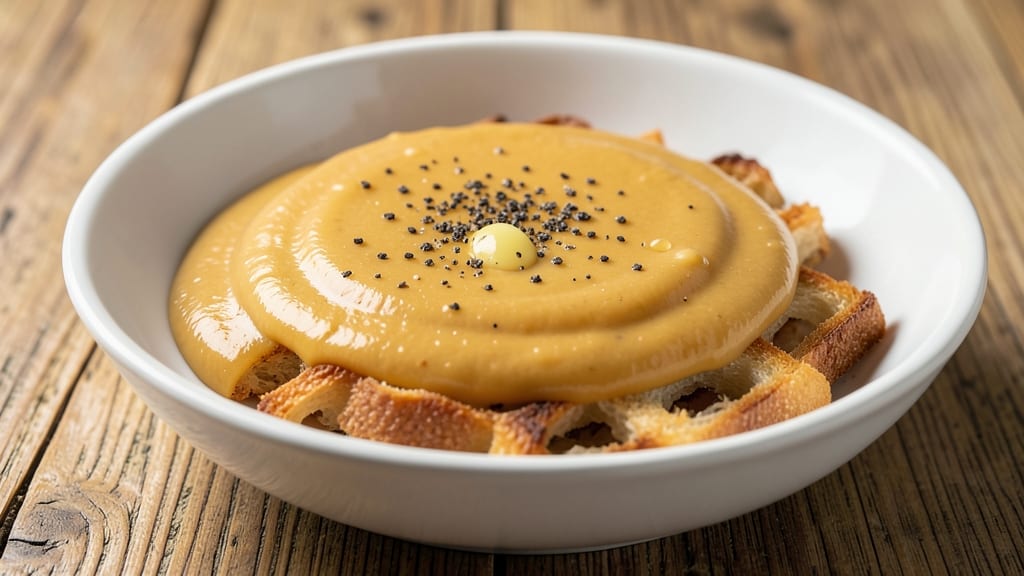
This Culver's cheese sauce recipe delivers that iconic ultra-smooth, stretchy magic you crave for burgers, fries, or dipping—without the mystery of restaurant secrets. The key lies in precise melting and emulsifying techniques that transform sharp cheddar into velvety, pull-apart perfection.
I’ve perfected this version after years of testing, ensuring every batch achieves that signature consistency.
What sets this sauce apart is the balance of ingredients: sharp cheddar for flavor, butter for richness, and milk to create that signature stretch. The secret weapon? A slow, controlled melt over low heat, combined with a whisk to emulsify the cheese into a silky texture.
No lumps, no graininess—just that restaurant-quality smoothness you’re after.
By the time you’re done, you’ll have a sauce so creamy it clings to every fry, drapes beautifully over burgers, and melts into every bite. The aroma alone will have your kitchen smelling like a Culver’s drive-thru, but with the satisfaction of making it yourself. Ready to master this?
This recipe works as a topping, dip, or even a creamy pasta sauce—versatile enough for any occasion. The best part? It’s foolproof once you understand the technique, and you’ll never need to buy store-bought again.
Ingredients for culver's cheese sauce
Eight simple ingredients transform into that iconic creamy, stretchy cheese sauce you crave.
| Ingredient | Amount | Notes |
|---|---|---|
| Sharp White Cheddar Cheese 🧀 | 8 oz | Block form, freshly grated |
| Unsalted Butter 🧈 | ½ cup | Cold, cut into small cubes |
| Whole Milk 🥛 | ½ cup | Room temperature preferred |
| Heavy Cream 🥛 | ¼ cup | Full-fat for best texture |
| Diamond Crystal Kosher Salt 🧂 | ½ tsp | Fine grain for even dissolving |
| Freshly Ground Black Pepper 🌶️ | ¼ tsp | Light hand, adjust to taste |
| Garlic Powder 🧄 | ¼ tsp | For subtle depth of flavor |
| Onion Powder 🧅 | ¼ tsp | Balances garlic flavor |
The cheddar is non-negotiable—sharp white cheddar from a block (not pre-shredded) gives that signature tang. Kraft or Cabot work perfectly, but avoid anything too mild. Butter matters too: unsalted ensures you control the saltiness, and cutting it into small cubes means faster, more even melting. I always grab Land O'Lakes or Plugrá for the best consistency. Room-temperature milk and cream blend more smoothly, but if you're in a rush, cold works fine—just whisk a bit longer. The powders are just for depth; skip them if you're sensitive to garlic/onion flavors.
No sharp cheddar? Pepper jack or smoked cheddar add a different twist, but expect a slightly different profile. Ran out of heavy cream? Half-and-half at double the amount works, though it'll be slightly thinner. The sauce can handle up to 1 extra tablespoon of milk if it's too thick, but don't overdo it—you want that signature stretch. Pre-shredded cheese? Pat it dry with paper towels first to remove anti-caking agents. And if you're feeling fancy, a pinch of cayenne adds a subtle kick like the restaurant version.
This sauce reheats beautifully—just warm over low heat with a splash of milk if it thickens. Keeps 5 days in the fridge, sealed tightly to prevent absorbing odors. For longer storage, freeze in ice cube trays—thaw and reheat as needed. I always make a double batch; it disappears fast. The leftovers? Perfect for mac and cheese, grilled cheese, or even as a creamy dip. Just whisk in a bit of milk to loosen if it's too thick after chilling.
Why You'll Love This Recipe
- Five-Ingredient Magic: I swear by this combo—sharp white cheddar, butter, and cream work together like a dream. No weird add-ins, no fuss. Just melt the butter, add the cheese, and let the milk and cream do the rest. It’s the kind of sauce where you realize halfway through that you’re already hungry.
- Crowd-Pleaser Guaranteed: Between us, this is the kind of sauce that disappears fast. Kids love it, adults don’t even pretend to resist it, and vegetarians? They’ll ask for seconds. The tangy cheddar and creamy texture hit all the right notes—no one’s left picking at their plate.
- Dip, Pour, Repeat: Here’s what sold me—this sauce doesn’t just belong on fries. Drown your burgers in it, drizzle it over mac and cheese, or use it as a dip for veggies. I’ve even used it as a glaze for baked potatoes when I’m feeling lazy. Versatile enough to make it your weeknight secret weapon.
- Leftovers That Taste Better: Honestly, this sauce keeps like a champ. Store it in the fridge for up to five days, and reheat it with a splash of milk to smooth out any graininess. It’s also freezer-friendly—just thaw and stir. That means one batch feeds me for days, and my wallet stays happy. Win-win.
Step-by-step instructions for ultra-smooth, stretchy cheese sauce
Here's the method that delivers that iconic, pull-apart perfection every time.
Melt Butter and Grate Cheese for Maximum Flavor
In a heavy-bottomed saucepan, melt the 0.5 cup unsalted butter over medium-low heat. I like to use cold butter cut into small cubes so it melts gradually without burning. Once fully melted, reduce heat to low to maintain gentle warmth.
While the butter melts, freshly grate the 8 oz sharp white cheddar cheese using a box grater. The finer the grate, the smoother your sauce will become. I press the cheese against the grater to extract maximum flavor—this isn't the time to be lazy with pre-shredded cheese. Have this ready before the butter melts completely so you can work quickly.
Add Cheese Gradually to Prevent Scorching
With the butter gently bubbling, begin adding the freshly grated cheese 1 tablespoon at a time. Stir constantly with a silicone spatula—this prevents any cheese from sticking to the bottom and burning. You'll notice the cheese will initially look grainy but will gradually begin to melt into a thick paste.
This gradual addition is crucial. If you dump all the cheese in at once, you risk overheating and developing a bitter taste. Keep the heat at low and maintain constant stirring until all the cheese has melted completely and the mixture forms a smooth, thick base. This typically takes about 5-7 minutes of patient attention.
Incorporate Milk and Cream for Perfect Texture
Once the cheese is fully melted and the sauce is smooth, remove the pan from heat. This is where we prevent curdling—adding liquids to hot cheese can cause separation. Let the sauce cool slightly for 1-2 minutes until it's warm to the touch but not scorching.
Gradually whisk in the 0.5 cup whole milk and 0.25 cup heavy cream. Start with just a splash and whisk vigorously to incorporate before adding more. The sauce should begin to lighten in color and become more fluid. If it thickens too much, add a little more liquid—you want it to coat the back of a spoon but still be pourable.
Season and Simmer for Maximum Flavor Development
Return the sauce to low heat and whisk in the 0.5 tsp diamond crystal kosher salt, 0.25 tsp freshly ground black pepper, 0.25 tsp garlic powder, and 0.25 tsp onion powder. Stir constantly for 3-5 minutes until the sauce reaches 160°F—this is the perfect temperature for that signature stretchy, pull-apart texture.
The key here is patience. The sauce should be smooth, glossy, and slightly thicker than heavy cream. If it starts to separate, immediately whisk in a small amount of milk to restore its silky consistency. Taste and adjust seasoning—you might want to add a pinch more salt or pepper to match your preference.
Cool and Use Immediately for Best Results
Transfer the cheese sauce to a clean saucepan or serving dish and let it cool for 5-10 minutes before using. This resting period allows the flavors to meld completely and the sauce to reach its ideal consistency. The sauce should be thick enough to cling to fries or pretzels but still stretch beautifully when pulled apart.
For serving, I like to keep the sauce warm in a slow cooker on the "warm" setting. This maintains that perfect stretchy texture for hours. If the sauce thickens too much while reheating, simply whisk in a splash of milk to restore its ideal consistency. The magic is in the balance of fat, liquid, and careful temperature control throughout the process.
Pro Tips For Making Culver'S Cheese Sauce
- Cut the Cheese Cold: Grab that block of sharp white cheddar straight from the fridge—no thawing needed. I learned this the hard way after making sauce with room-temperature cheese that clumped like glue; cold cheese melts smoother and blends like silk, especially when you’re mixing in heavy cream.
- Melt Butter Slowly: Start with low heat and let the butter melt completely before adding anything else—no browning, no rushing. After burning three batches trying to speed this up, I finally realized the sauce’s velvety texture depends on a clean, even base. (Yes, even if you’re impatient like me.)
- Salt in Stages: Taste the sauce before adding the full salt measurement—Diamond Crystal runs stronger than table salt. Add half the salt first, let it mellow, then adjust. I was skeptical until I tried it; now I never guess, and the flavor stays balanced.
- Whisk Like Your Life Depends on It: Don’t just stir—whisk vigorously as the cheese melts to break up any lumps before they form. Sounds weird, but it works: the sauce stays silky, not grainy. (Your future self will thank you when you’re not scraping cheese off the whisk later.)
Troubleshooting your culver's cheese sauce
Lumpy Cheese Nightmare
Lumps happen when cheese melts unevenly, usually from heat that's too high or adding cheese too quickly. To fix it, immediately remove the pan from heat and whisk vigorously while adding 1-2 tablespoons of warm milk at a time.
For prevention, always melt butter on low heat and add cheese 1 tablespoon at a time, stirring constantly. I also recommend using freshly grated cheese—pre-shredded varieties contain anti-caking agents that prevent smooth melting. 🧀
Sauce Too Thick
If your sauce is too thick after cooling, thin it with 1 tablespoon increments of warm milk or heavy cream while whisking continuously. The goal is a consistency that coats the back of a spoon but still stretches slightly when pulled apart.
For future batches, reduce the butter slightly (0.4 cup instead of 0.5 cup) or increase liquids by 1 tablespoon. Never microwave the sauce to thin it—this can cause separation.
Grainy or Separated Texture
Graininess or separation occurs when cheese overheats or liquids are added too quickly. To fix it, whisk in 1 tablespoon of cold milk while off heat, then return to low heat and whisk until smooth.
For prevention, always cool the melted cheese slightly before adding liquids, and whisk vigorously when combining. I've found that whole milk blends better than skim milk for this recipe's signature stretch.
Weak or Bland Flavor
Weak flavor typically means insufficient seasoning or using mild cheese. Boost flavor by adding ¼ teaspoon extra garlic powder or onion powder, or a pinch of cayenne pepper for depth.
For maximum impact, use sharp white cheddar and let the sauce rest for 10 minutes after cooking—this allows flavors to meld. I also recommend tasting as you go and adjusting salt to preference.
Sauce Curdles When Reheating
Curdling happens when you reheat too quickly or add cold liquids. To fix curdled sauce, whisk in 1 tablespoon of warm milk while off heat, then return to low heat and whisk gently until smooth.
For reheating, always use low heat and add 1 tablespoon of milk per cup of sauce to maintain consistency. I keep reheated sauce in a slow cooker on "warm" setting for perfect texture.
Burnt or Bitter Taste
Burnt or bitter flavors develop from overheating the cheese or butter. To prevent this, always melt butter on low heat and add cheese gradually. If you notice a bitter taste, immediately remove from heat and whisk in 1 tablespoon of milk to dilute.
For future batches, reduce heat to lowest setting and stir constantly. The ideal temperature for melted cheese is 160°F—never exceed 170°F. 🔥
Nutrition facts
Frequently asked questions
Why does Culver's cheese sauce have that signature stretchy texture?
The ultra-smooth, pull-apart magic comes from the perfect ratio of fat (butter), liquid (milk/cream), and careful temperature control. Keeping the sauce at 160°F while whisking creates tiny fat globules that emulsify the cheese into a velvety, stretchy consistency. The heavy cream adds richness while preventing separation.
Can I make this sauce without heavy cream?
Yes! Replace the 0.25 cup heavy cream with 0.5 cup whole milk for a slightly lighter version. The sauce will still stretch but may be less rich. For extra creaminess, use 0.25 cup half-and-half instead—just expect a thinner texture. The key is balancing fat and liquid to maintain that signature pull.
How do I store and reheat leftovers without ruining the texture?
Store in an airtight container in the fridge for up to 5 days. To reheat, warm over low heat and whisk in 1 tablespoon of milk per cup of sauce to restore smoothness. Never microwave—it causes separation. For long-term storage, freeze in ice cube trays and thaw overnight in the fridge.
What's the secret to preventing lumps in homemade cheese sauce?
Use freshly grated cheese (no pre-shredded), melt butter on low heat, and add cheese 1 tablespoon at a time while stirring constantly. If lumps form, whisk in 1-2 tablespoons of warm milk while off heat. The gradual addition prevents overheating, which causes graininess.
Can I use this sauce for dishes other than fries or burgers?
This versatile sauce works as a creamy pasta topping, grilled cheese filling, or even a dip for pretzels and veggies. For baked dishes, reduce liquids slightly (0.4 cup milk) to maintain thickness. The stretchy texture makes it perfect for mac and cheese or loaded baked potatoes too.