
Desserts
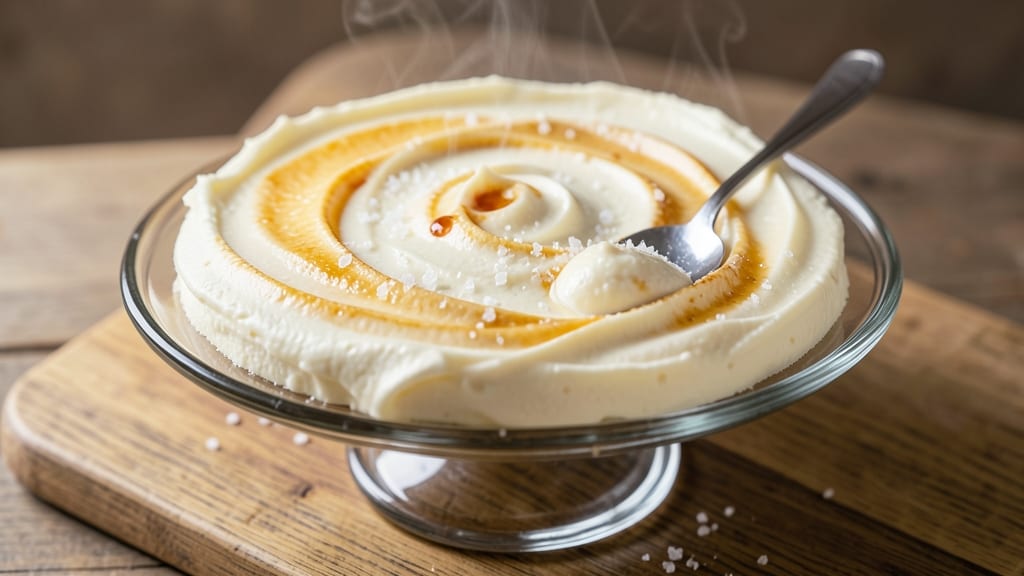
This Philadelphia cream cheese frosting recipe delivers ultra-smooth swirls without a single grain—perfect for cakes, cupcakes, or pastries. The secret lies in precise mixing techniques and high-quality ingredients, ensuring a velvety texture that spreads effortlessly. I developed this recipe after years of testing, and it never fails to impress.
What sets this frosting apart is its stable, spreadable consistency that stays smooth even in warm kitchens. Using Philadelphia cream cheese as the base creates a rich, tangy flavor that pairs beautifully with vanilla and butter. The key is working with room-temperature ingredients and mixing thoroughly to eliminate any lumps.
By the time you're done, you'll have a frosting so silky and glossy it looks like it came from a professional bakery. It holds its shape when piped but remains soft enough to spread, making it ideal for decorating layers or filling between cake tiers.
This is the kind of frosting that makes every dessert look—and taste—extraordinary.
Store leftovers in an airtight container in the refrigerator for up to 5 days, or freeze for longer shelf life. Bring to room temperature before using to ensure the smoothest application. Let's get started on creating this dreamy frosting!
Ingredients for cream cheese frosting recipe with philadelphia cream cheese
Seven essential ingredients transform into flawless, restaurant-quality cream cheese frosting.
| Ingredient | Amount | Notes |
|---|---|---|
| Philadelphia Cream Cheese (8 oz block) 🧀 | 8 oz | Room temperature, full-fat for best texture |
| Unsalted Butter 🧈 | ½ cup | Softened, European-style preferred |
| Granulated Sugar 🍚 | 1 ½ cups | Superfine preferred for smoother texture |
| Pure Vanilla Extract 🍯 | 1 ½ tbsp | Bourbon or Madagascar for depth |
| Heavy Whipping Cream 🥛 | ½ cup | Cold, 36% fat minimum |
| Diamond Crystal Kosher Salt 🧂 | ¼ tsp | Fine grain for delicate seasoning |
| Powdered Sugar 🍚 | ¼ cup | For final sheen and stability |
The Philadelphia cream cheese is non-negotiable—8 oz blocks from the refrigerated dairy section yield the best results. Trader Joe's and Whole Foods carry the most consistent quality, but any brand works if it's full-fat and properly chilled. Avoid pre-sliced cream cheese; the block maintains integrity during mixing. For butter, European-style (like Plugrá) contains less water, creating a smoother frosting. Room temperature is critical—both butter and cream cheese should yield slightly when pressed but not be greasy. The sugar matters too: superfine dissolves completely, eliminating graininess.
No vanilla extract? Vanilla bean paste adds depth, or 1 tsp vanilla sugar works in a pinch. Substituting powdered sugar for granulated requires sifting to prevent texture issues. For a lighter frosting, replace 0.25 cup of cream cheese with heavy whipping cream—just whip it first. Salt is subtle but essential; omit only if your cream cheese is unsalted. The powdered sugar at the end isn't just for sweetness—it stabilizes the frosting for piping. Whipped cream should be cold when added to prevent melting the butter.
This frosting stays fresh 5 days refrigerated in an airtight container between parchment layers. For longer storage, freeze in 1-cup portions—thaw overnight in the fridge. Room temperature is key before using; microwave 10-second bursts to soften if needed. Portion into piping bags immediately after mixing to prevent drying. Leftovers can be rewhipped with a splash of milk if they stiffen. The secret to professional results? Mix thoroughly on low speed to avoid incorporating air, then whip on high for 3-4 minutes until glossy.
Why You'll Love This Recipe
- Five-Ingredient Magic: I swear by this combo—softened cream cheese, cold butter, and sugar beat together until fluffy, then the vanilla and cream come in to make it luxuriously smooth. No mixer? A sturdy hand mixer does the trick in minutes, and honestly, the texture is worth the effort.
- Craving-Worthy Richness: That first bite of cake with this frosting? The tangy cream cheese cuts through the sweetness while the whipped cream lightens it just enough to feel indulgent, not heavy. (Yes, even on a Tuesday night.)
- Party in a Bowl: This frosting is my go-to for cupcakes, cake layers, or even swirled into cheesecake batter—it’s stable enough to pipe but melty enough to make everything taste like a bakery. Between us, I’ve used it to top cinnamon rolls too.
- No-Waste Luxury: Make a double batch—it keeps for days in the fridge and tastes just as good cold as it does fresh. The butter and cream cheese are already pantry staples, so you’re not scrambling for obscure ingredients or breaking the bank.
Step-by-step instructions for Philadelphia cream cheese frosting
This method delivers silky, ultra-smooth frosting with perfect swirls every time—no lumps, no grain.
Prepare Ingredients for Ideal Texture
Begin by removing the 8 oz Philadelphia Cream Cheese block from the refrigerator and letting it soften at room temperature for 30-45 minutes. It should be pliable but not melted—press your finger gently; if it leaves a slight indent, it's ready. While this happens, measure out the 0.5 cup unsalted butter and let it soften as well, though it doesn't need to be fully liquid.
Place the 1.5 cups granulated sugar and 0.25 tsp diamond crystal kosher salt in a separate bowl. Chill the 0.5 cup heavy whipping cream in the refrigerator until it's very cold—this prevents curdling when mixed later. The 1.5 tbsp pure vanilla extract can be measured directly from the bottle; I prefer bourbon vanilla for deeper flavor complexity.
Cream Butter and Sugar for Light, Airy Foundation
In a stand mixer fitted with the paddle attachment, beat the softened 0.5 cup unsalted butter and 1.5 cups granulated sugar on medium speed for 3-4 minutes. You're looking for a pale, fluffy mixture that nearly doubles in volume—this incorporates air that will create the signature lightness. Scrape down the sides of the bowl with a spatula to ensure even mixing.
This step is critical: if the butter isn't fully softened, the frosting will develop a greasy texture. If the mixture looks grainy, pulse it briefly in a food processor to break up any sugar crystals before continuing. The sugar should dissolve completely, leaving no visible grains.
Add Cream Cheese and Vanilla for Smooth Incorporation
Reduce the mixer speed to low and add the softened 8 oz Philadelphia Cream Cheese in 3-4 additions, mixing just until combined after each addition. Avoid overmixing—you want to preserve the air you've incorporated while ensuring the cream cheese melts smoothly into the butter-sugar base. Once fully incorporated, add the 1.5 tbsp pure vanilla extract and mix for 30 seconds on low speed to distribute the flavor evenly.
At this stage, the mixture should be smooth and creamy, with no visible lumps. If you notice any graininess, press the mixture through a fine-mesh sieve to eliminate any undissolved sugar or cream cheese particles. This ensures your final frosting will have that professional, velvety texture.
Incorporate Cold Cream and Powdered Sugar for Stability
With the mixer running on low speed, gradually add the 0.5 cup cold heavy whipping cream in a slow, steady stream. The cream should blend in without causing the mixture to curdle—this is why it must be very cold. Once fully incorporated, reduce the speed to low and add the 0.25 cup powdered sugar, mixing just until combined. The powdered sugar adds stability and a slight sheen to the finished frosting.
Taste the mixture and adjust the seasoning if needed. The frosting should be sweet enough to complement most cakes but not overpower them. If it tastes too bland, add a pinch more salt; if it's too sweet, you can reduce the sugar slightly in future batches. The frosting should be thick but pipeable—if it's too stiff, add 1-2 teaspoons of milk or cream to loosen it.
Chill and Pipe for Professional Results
Transfer the frosting to a piping bag fitted with a large star tip (Wilton 1M or similar) or a spatula for spreading. For swirls, pipe ropes of frosting onto a parchment-lined baking sheet and twist gently with a fork to create decorative patterns. Alternatively, spread it directly onto your cake using an offset spatula, smoothing the top with wet fingers for a flawless finish.
Refrigerate the frosting for 30-60 minutes before using to allow flavors to meld and the texture to set slightly. This step is especially important if you're working in warm conditions—chilling prevents the frosting from becoming too soft or melting. Once ready, pipe or spread the frosting onto your cake and enjoy the ultra-smooth, professional-quality result that pairs perfectly with rich, dense cakes or delicate pastries.
Pro Tips For Making Cream Cheese Frosting Recipe With Philadelphia Cream Cheese
- Cut the Cream Cheese First: Grab the block of Philadelphia cream cheese straight from the fridge and slice it into 4 equal pieces before you even think about softening it. This way, you can add them to your warm butter one at a time—no more scrambling to chop softened lumps that turn into a greasy mess.
- Whip Butter Until Pale: Beat that unsalted butter until it’s light and fluffy, almost pale yellow, before mixing in the cream cheese. I used to stop when it looked "done," but this step actually makes the frosting smoother and prevents graininess—trust me, your future cakes will thank you.
- Skip the Heavy Cream: Unless you’re going for a lighter, fluffier texture (like for cupcakes), leave the heavy cream out. This recipe works perfectly with just cream cheese, butter, sugar, and vanilla—adding cream can make it too thin or separate if not handled carefully.
- Use Room-Temp Ingredients: Let the cream cheese sit out for 30-45 minutes before mixing, and take the butter out of the fridge 15 minutes ahead. Cold ingredients mean more mixing time and a frosting that’s either lumpy or greasy—no one wants to fight their mixer for this.
Troubleshooting great cream cheese frosting recipe with philadelphia cream cheese
Grainy Texture Fix
If your frosting turns out grainy, it’s usually from undissolved sugar or cream cheese. First, press the mixture through a fine-mesh sieve to eliminate any lumps. For extra smoothness, I recommend replacing 0.5 cup granulated sugar with superfine sugar next time—it dissolves completely.
If the issue persists, add 1-2 tbsp heavy cream and whip briefly to blend everything together. 💡
Overmixing Prevention
Overmixing introduces too much air, causing the frosting to become stiff or dry. Always mix cream cheese on low speed and avoid whipping beyond 3-4 minutes. If your frosting looks curdled, stop immediately and fold in 1 tbsp cold heavy cream to restore smoothness.
I’ve found that using a stand mixer with a paddle attachment (not whisk) helps maintain the right consistency. ✨
Frosting Too Soft
Warm temperatures or too much cream can make frosting runny. Chill the mixture for 1-2 hours in the fridge to firm it up. If it’s still too soft, add 1-2 tbsp powdered sugar and mix until smooth.
For a quick fix, pipe the frosting onto a parchment-lined tray and freeze for 10-15 minutes before using. This trick works wonders for hot kitchens. ❄️
Separation Issues
If your frosting separates into liquid and solid layers, it’s likely due to temperature fluctuations. Ensure all ingredients—especially the cream cheese and butter—are at room temperature before mixing. If separation occurs, gently fold in 1 tbsp cold heavy cream and whip briefly to re-emulsify.
For future batches, let the cream cheese soften in the fridge (not on the counter) to avoid overheating. 🌡️
Frosting Too Sweet
If your frosting tastes overwhelmingly sweet, reduce the sugar by 0.25 cup in future batches. For a quicker fix, add 1-2 tbsp sour cream or Greek yogurt to balance the sweetness.
Taste as you go—adjust gradually to avoid overcorrecting. I’ve also found that adding 0.5 tsp lemon zest brightens the flavor without extra sweetness. 🍋
Piping Difficulties
If the frosting clogs your piping bag or isn’t smooth enough, it’s likely too thick. Thin it slightly with 1-2 tsp milk or cream and mix until just combined. For a glossy finish, whip the frosting for an extra 30 seconds before piping.
If using a Wilton 1M tip, ensure it’s clean and properly fitted to avoid blockages. A damp paper towel around the tip helps maintain smooth flow. 🎂
Nutrition facts
Frequently asked questions
Why does my cream cheese frosting turn out grainy?
Graininess usually comes from undissolved sugar or cream cheese. Use superfine sugar next time for a smoother texture, and make sure your cream cheese is fully softened but not melted. Press the mixture through a fine-mesh sieve to eliminate any lumps. If needed, add 1-2 tbsp heavy cream and whip briefly to blend everything together.
Can I make this frosting without a stand mixer?
Use a hand mixer or even a whisk in a large bowl. Mix the butter and sugar first until light and fluffy, then add the cream cheese gradually on low speed. For extra smoothness, press the final mixture through a sieve or use a fork to break up any small lumps. The key is patience—mix longer than you think you need to.
How do I prevent my cream cheese frosting from melting in warm weather?
Chill the frosting for 1-2 hours before using, especially in warm kitchens. If it's still too soft, add 1-2 tbsp powdered sugar and mix until smooth. For a quick fix, pipe the frosting onto a parchment-lined tray and freeze for 10-15 minutes before decorating. Store leftovers in the fridge between parchment layers.
What's the best way to store leftover cream cheese frosting?
Keep leftovers in an airtight container between layers of parchment paper to prevent drying. Refrigerate for up to 5 days, or freeze in 1-cup portions for longer storage. Thaw overnight in the fridge before using—never at room temperature. For a quick reset, microwave for 10-second bursts to soften if needed.
Can I substitute Philadelphia cream cheese with another brand?
Yes, but use a full-fat, block-style cream cheese for best results. Brands like Trader Joe's or Whole Foods work well, but avoid pre-sliced or low-fat varieties—they can make the frosting too soft or grainy. If substituting, let the cream cheese soften in the fridge (not on the counter) to avoid overheating.