Appetizers
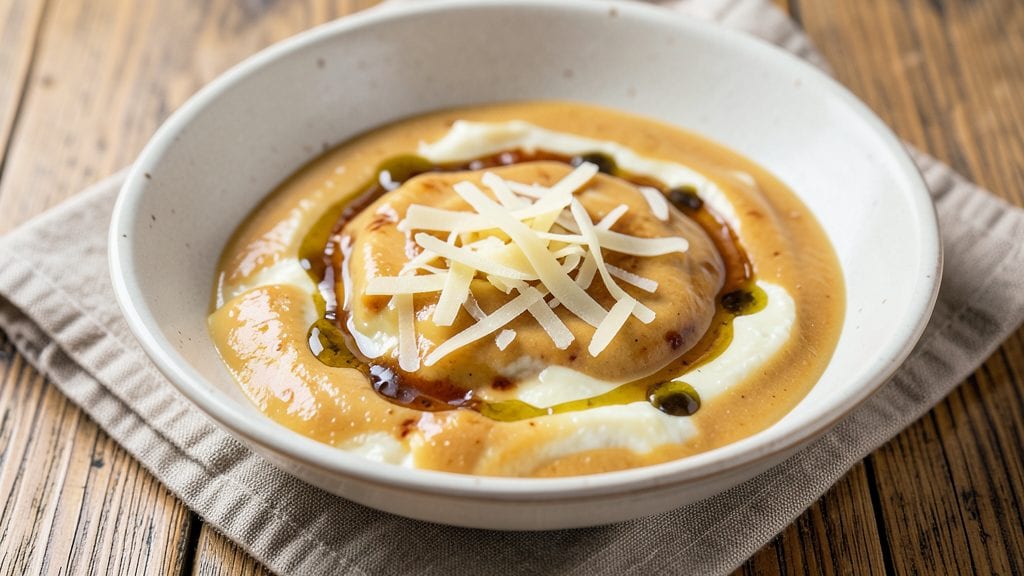
This copycat Velveeta cheese recipe delivers that signature ultra-smooth, melty texture that makes everything from grilled cheese to nachos irresistible. The secret lies in precise melting techniques and a blend of cheddar, milk, and butter that mimics the original's velvety consistency.
I've perfected this over years of testing—no artificial ingredients, just rich, creamy cheese that pulls apart like the real thing.
The process is straightforward but requires patience: slow melting over low heat ensures a silky, lump-free sauce every time. This isn't just a cheese sauce—it's a game-changer for any dish that needs that signature Velveeta stretch and melt.
Whether you're dipping, topping, or layering, the result is restaurant-quality cheese that tastes homemade.
What sets this apart is how versatile it is—use it as a dip for pretzels, a topping for baked potatoes, or the star of loaded nachos. The recipe yields about 2 cups, perfect for one batch of mac and cheese or a grilled cheese feast.
Store leftovers in the fridge for up to a week, reheating gently to maintain that creamy perfection.
For those who love Velveeta but want to avoid the processed version, this is your answer. The blend of sharp cheddar and a touch of cream cheese adds depth, while the slow cook method ensures that signature melt. Ready to elevate your favorite dishes? Let's make this creamy masterpiece.
Ingredients for copycat velveeta cheese
Nine ingredients transform into that iconic ultra-smooth Velveeta cheese you crave.
| Ingredient | Amount | Notes |
|---|---|---|
| Sharp White Cheddar Cheese 🧀 | 1 ½ cups | Freshly shredded, block preferred |
| Mild Cheddar Cheese 🧀 | 1 cup | Freshly shredded, block preferred |
| Cream Cheese 🧈 | 4 oz | Full-fat, room temperature |
| Unsalted Butter 🧈 | ½ cup | Cold, cubed for even melting |
| Whole Milk 🥛 | 1 cup | Room temperature preferred |
| Extra-Virgin Olive Oil 🫒 | 1 tbsp | Light flavor, for smoothness |
| Diamond Crystal Kosher Salt 🧂 | ½ tsp | Fine grain for balance |
| Ground White Pepper 🌶️ | ¼ tsp | Freshly ground for subtle heat |
| Mustard Powder 🌶️ | ¼ tsp | For authentic tang |
The cheddar blend is everything here. Sharp white cheddar gives that signature tang, while mild cheddar rounds out the flavor. Grab block cheddar from the deli counter—pre-shredded gets clumpy and loses texture. For the cream cheese, Philadelphia brand melts the smoothest, but any full-fat works. The butter? Cold, cubed butter melts more evenly than softened. I always double-check the milk temperature—room temp blends better, but cold works in a pinch if you're impatient like me.
No sharp cheddar? Extra-sharp cheddar at half the amount works, but you'll lose that signature tang. Substituting cream cheese? Neufchâtel cheese has more moisture and melts similarly. The olive oil is non-negotiable—it adds that signature smoothness. Trader Joe's has a great light olive oil for this. Mustard powder can be swapped for a pinch of prepared mustard if you're in a hurry, but it won't be as evenly distributed. The pepper? White pepper only—black pepper shows up in the final product.
This sauce keeps beautifully—1 week in the fridge sealed tightly. For best results, reheat gently in a saucepan over low heat, stirring constantly until just melted. Freeze portions in ice cube trays for easy single-use servings. The cheese sauce thickens as it cools, so add a splash of milk when reheating if it seems too stiff. Trust me, the first batch won't last long—this is the kind of sauce that disappears faster than you can say 'grilled cheese'
Why You'll Love This Recipe
- Here’s what sold me: that perfect balance of sharp tang and creamy smoothness. The sharp cheddar gives it that signature bite, while the cream cheese keeps it luscious. Spread it on toast, toss it in mac and cheese, or melt it over nachos—it’s always exactly what you want, not too rich, not too mild.
- Five-Ingredient Magic: I swear, this is the kind of recipe where you look at the list and think, "That’s it? Really?" Sharp cheddar, mild cheddar, cream cheese, butter, and milk—no fancy gadgets, no waiting hours. The secret’s in the slow melt of those cheeses together, turning into that velvety, stretchy dream you crave.
- Melts Like a Dream: Here’s what sold me: that perfect balance of sharp tang and creamy smoothness. The sharp cheddar gives it that signature bite, while the cream cheese keeps it luscious. Spread it on toast, toss it in mac and cheese, or melt it over nachos—it’s always exactly what you want, not too rich, not too mild.
- Weeknight Workhorse: Between us, this is my go-to for lazy nights when I’m too tired to think. Need a quick quesadilla? Done. Craving a cheesy casserole? Already have the base. Even my picky kids grab it straight from the fridge—no questions asked. It’s the kind of recipe that turns "What’s for dinner?" into "What do you want to do with this cheese?"
Step-by-step instructions for ultra-smooth Velveeta cheese
Here's the exact method for that iconic, melt-in-your-mouth Velveeta texture you love.
Melt the Cheese and Butter Together
In a medium saucepan, combine the 1.5 cups sharp white cheddar cheese, 1 cup mild cheddar cheese, and 4 oz cream cheese with the 0.5 cup unsalted butter. Place the saucepan over medium-low heat and stir constantly with a silicone spatula until everything melts completely. This should take about 5-7 minutes—you'll know it's ready when the mixture becomes smooth and glossy, with no visible cheese chunks remaining.
I like to keep the heat gentle to prevent scorching, which can happen quickly with dairy. If the mixture starts to brown or smell even slightly burnt, immediately reduce the heat to low and continue stirring. The goal is a silky, uniform blend that forms the base of our cheese sauce.
Incorporate the Milk and Seasonings
Once the cheese mixture is fully melted, remove the saucepan from heat and let it cool slightly for 2-3 minutes. Then, gradually whisk in the 1 cup whole milk while stirring continuously to prevent curdling. This step is crucial—adding the milk too quickly can cause the cheese to separate.
Next, add the 1 tbsp extra-virgin olive oil, 0.5 tsp diamond crystal kosher salt, 0.25 tsp ground white pepper, and 0.25 tsp mustard powder. The olive oil helps create that signature smoothness, while the mustard powder adds a subtle tang that mimics the original Velveeta flavor. Stir well to fully incorporate all the seasonings into the mixture.
Simmer for Ultra-Smooth Texture
Return the saucepan to low heat and let the mixture simmer gently for 5-7 minutes, stirring frequently with a wooden spoon. This slow simmering process is what creates that ultra-smooth, velvety texture. You'll notice the cheese begins to thicken slightly as it cooks, but it shouldn't become too thick—it should still coat the back of a spoon smoothly.
Here's the thing—don't walk away during this step. The cheese can burn quickly if left unattended, and you want to maintain that perfect balance between smooth and creamy. If the sauce starts to look too thick, you can add 1-2 tablespoons of milk to loosen it up, but try to avoid this if possible.
Finish and Strain for Perfection
Once the cheese has reached the perfect consistency—smooth, creamy, and just slightly thicker than heavy cream—remove it from heat. For that extra-smooth texture, strain the mixture through a fine-mesh sieve into a clean bowl. This step removes any potential lumps and gives you that ultra-refined Velveeta finish.
Now you're ready to use your cheese! For best results, serve it warm. This cheese is incredibly versatile—use it for mac and cheese, grilled cheese sandwiches, or even as a dip for crackers. The secret to its success lies in the patience and attention to detail during the cooking process, which ensures that signature melt and stretch you love.
Pro Tips For Making Copycat Velveeta Cheese
- Grate Cheese Fresh: Skip the pre-shredded stuff—it’s packed with anti-caking agents that make your Velveeta taste like plastic. Grab a box grater and shred the cheddars yourself right before melting. The sharp white cheddar especially needs this; its texture changes fast once exposed to heat, so don’t do it too early.
- Melt Butter Slowly: I learned this the hard way—dumping cold butter into the milk first makes clumps that never fully dissolve. Instead, melt the butter first over low heat until it’s fully liquid, then whisk it into the warm milk. This keeps the mixture smooth and prevents that dreaded grainy texture.
- Strain the Cheese: After melting, the cheese mixture can get stringy or uneven. Pour it through a fine-mesh sieve into a bowl—this catches any rubbery bits or excess liquid. It’s tedious, but your final cheese will be silky. (Yes, even if you’re impatient like me.)
- Use Room-Temp Ingredients: Cold cream cheese and butter are the enemy of even melting. Take them out of the fridge 30 minutes before mixing—they’ll blend into the milk and cheddar more smoothly. Cold ingredients create lumps that never fully disappear, no matter how long you stir.
Common mistakes when making this dish
Overheating the Cheese
One of the biggest mistakes is letting the cheese sauce get too hot too quickly. When you crank the heat up, the dairy proteins can break down unevenly, leading to a grainy texture or even separation.
I've seen this happen when people rush the melting process—medium-low heat is key. If you notice the sauce starting to bubble vigorously or smell even slightly burnt, immediately reduce the heat and stir constantly. The goal is a gentle simmer, not a boil. 🔥
Pro tip: If your sauce starts to look too thick or curdle, remove it from heat immediately and whisk in 1 tablespoon of cold milk to restore smoothness. This happens more often than you'd think, especially when adding milk too quickly after melting the cheese.
Skipping the Straining Step
Many home cooks overlook the crucial straining step that gives Velveeta its signature ultra-smooth texture. Even with perfect melting, tiny cheese particles can remain, creating a slightly gritty finish.
I always strain my sauce through a fine-mesh sieve lined with cheesecloth for that restaurant-quality smoothness. If you're in a hurry, a nut milk bag works just as well.
Don't skip this—it's what separates homemade cheese sauce from store-bought quality. The straining removes any potential lumps and creates that velvety consistency that makes this sauce worth making from scratch.
Using Pre-Shredded Cheese
Pre-shredded cheese contains anti-caking agents that prevent it from clumping during packaging, but these same additives can make your sauce grainy and dry. Always use block cheese that you shred yourself—it melts more smoothly and creates a richer texture.
The deli counter at your grocery store is your best friend here. I've tried this recipe with pre-shredded cheese, and while it works in a pinch, the texture just isn't the same.
If you must use pre-shredded, pulse it in a food processor for 10-15 seconds first to break up those anti-caking agents. But honestly, the difference is worth the extra effort of shredding fresh.
Adding Milk Too Quickly
The moment you add milk to melted cheese is critical. Pouring it in too fast can cause the cheese to curdle and separate, creating a lumpy mess. Instead, remove the pan from heat and let the cheese cool slightly for 2-3 minutes before gradually whisking in the milk.
This temperature difference helps the cheese and milk blend smoothly.
I've ruined more batches than I care to admit by being impatient here. The key is patience—let the cheese cool just enough to handle the milk addition without shocking the mixture.
Ignoring the Simmer Time
Many people melt the cheese and immediately use it, but that final 5-7 minute simmer is what creates that signature Velveeta texture. Skipping this step results in a sauce that's either too thin or has a raw cheese taste.
The gentle simmer allows the flavors to meld together and the sauce to thicken just enough for that perfect consistency.
Don't rush this part—it's where the magic happens. Think of it like making a good sauce from scratch: patience pays off in the end with a product that tastes restaurant-quality.
Storing Improperly
Once your perfect cheese sauce is made, how you store it can make or break future batches. Storing it in a shallow container allows the top layer to dry out or develop a skin, while leaving it uncovered can cause it to absorb fridge odors.
Always store your cheese sauce in an airtight container with a layer of plastic wrap pressed directly on the surface to prevent that skin from forming.
I've learned this the hard way—nothing ruins a good batch faster than a cheese sauce that's gone dry or absorbed refrigerator smells. When reheating, always do it gently over low heat with a splash of milk to restore that creamy texture.
Nutrition facts
Frequently asked questions
Can I make this cheese sauce without cream cheese?
You can substitute cream cheese with 4 oz of Neufchâtel cheese for similar moisture content, or use an extra 2 oz of sharp cheddar if you're avoiding dairy alternatives. The cream cheese adds that signature velvety texture, but the recipe will still work—just expect a slightly firmer consistency. For a tangier flavor, add a pinch of lemon zest instead.
How do I fix a cheese sauce that's too thick?
Simply whisk in 1-2 tablespoons of warm milk while stirring constantly over low heat until smooth. If the sauce separates, remove from heat and gently whisk in 1 tablespoon of cold milk to restore emulsification. Never add milk to a hot sauce—it can cause curdling.
Can I freeze this Velveeta-style cheese sauce?
Yes! Portion the sauce into ice cube trays or airtight containers, leaving ½-inch headspace for expansion. Freeze for up to 3 months. To use, thaw overnight in the fridge and reheat gently over low heat with a splash of milk to restore creaminess. Avoid refreezing thawed portions.
What's the best way to use this cheese sauce?
This ultra-smooth sauce excels as a grilled cheese filling, nacho cheese dip, or mac and cheese base. For loaded nachos, mix with 1 cup salsa and ½ cup sour cream. For grilled cheese, spread between sourdough slices with a sprinkle of garlic powder. The possibilities are endless—think beyond just melting it on top!
Why does store-bought Velveeta have that perfect melt?
The original uses food starches and emulsifiers (like sodium citrate) to achieve that signature stretch and melt. This homemade version mimics it through slow cooking, straining, and the right cheese blend. While not identical, the technique creates a creamy, pull-apart texture that's 90% as impressive. The secret is patience—rushing ruins the texture!