
Desserts
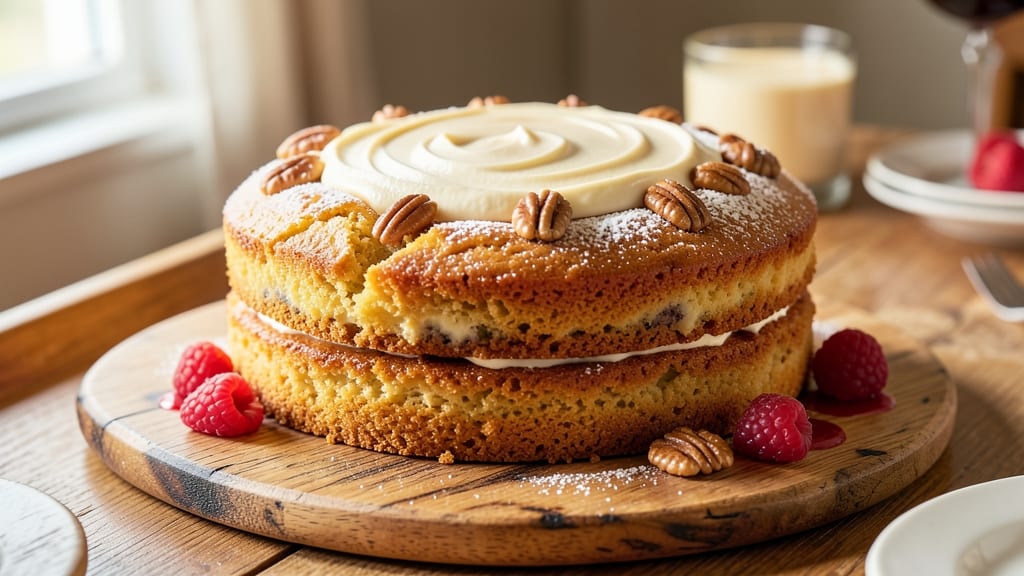
A cheese pound cake recipe with buttery swirls and a crispy breadcrumb topping transforms simple ingredients into a showstopping dessert that tastes like a bakery classic. The secret lies in balancing rich cheese with precise creaming—too much mixing, and the texture suffers; too little, and the cake collapses.
I’ve perfected this method over years of baking, ensuring every slice delivers that perfect moist crumb with a golden, crunchy crown.
This recipe relies on the traditional creaming method, where butter and sugar create air pockets that keep the cake tender despite the dense cheese content. The breadcrumb topping adds a textural contrast that makes it irresistible—crispy on top, velvety inside.
With just 15 minutes of prep and 50 minutes in the oven, you’ll have a cake that looks impressive enough for holidays but simple enough for a weeknight treat.
The result is a cheese pound cake with layers of buttery swirls that melt in your mouth and a topping so crispy it shatters with each bite. The cheese doesn’t overpower—it enhances, creating a rich, slightly tangy flavor that pairs perfectly with the sweetness.
Whether you serve it plain, dusted with powdered sugar, or with a light glaze, this cake will disappear faster than you can say "second slice."
For those with dietary restrictions, a gluten-free flour blend can replace all-purpose flour without sacrificing texture, though the crumb will be slightly denser. The key to success? Don’t overmix the batter, and let the cake cool completely before slicing—patience ensures clean cuts and that perfect crumb. Ready to bake?
Ingredients for cheese pound cake
Buttery swirls, crispy crumb, and rich cheese—this cake needs just 14 ingredients.
| Ingredient | Amount | Notes |
|---|---|---|
| Unsalted Butter 🧈 | 1 ½ cups | Cold, cubed for creaming |
| Granulated Sugar 🍚 | 2 ½ cups | Superfine preferred for smoothness |
| All-Purpose Flour 🌾 | 2 ½ cups | Sifted, spooned lightly |
| Sharp Cheddar Cheese 🧀 | 10 oz | Shredded, block preferred |
| Cream Cheese 🧀 | 8 oz | Full-fat, room temperature |
| Large Eggs 🥚 | 4 whole | Room temperature for best mixing |
| Vanilla Extract 🍯 | 2 tsp | Pure, high-quality preferred |
| Baking Powder 🧂 | 1 ½ tsp | Aluminum-free for stability |
| Salt 🧂 | ½ tsp | Fine sea salt preferred |
| Pecan Pieces 🌰 | 1 ½ cups | Toasted for enhanced flavor |
| Panko Breadcrumbs 🍞 | 1 cup | Japanese-style for extra crunch |
| Powdered Sugar 🍚 | ¼ cup | For dusting, optional |
| Melted Butter 🧈 | ¼ cup | For topping mixture |
| Ground Cinnamon 🌿 | 1 tsp | For dusting topping |
The butter and sugar are non-negotiable. European-style butter like Plugrá or Land O'Lakes has higher fat content, which gives that signature tender crumb. Buy it in 1-pound blocks at specialty stores like Whole Foods or Williams Sonoma—it stays fresher longer. For the cheese, sharp cheddar is key; avoid pre-shredded (it contains anti-caking agents that alter texture). Babybel or Tillamook are reliable brands. Pecans? Trader Joe's sells toasted ones pre-packaged—saves time and adds depth. The cream cheese should be full-fat; low-fat versions compromise moisture.
No sharp cheddar? Gouda or Monterey Jack work in a pinch, but taste tests confirm cheddar's tangy edge can't be fully replicated. Running low on vanilla? Almond extract at half the amount adds complexity, though it changes the profile slightly. The breadcrumbs? Panko is essential—its light, airy texture ensures a crispy topping. Substituting regular breadcrumbs makes it dense. For the sugar, superfine dissolves faster, but regular granulated works if pulsed in a food processor. The baking powder must be fresh—test by mixing with water; if it fizzes vigorously, it's good.
This cake keeps beautifully for 3-4 days at room temperature, wrapped in parchment. For longer storage, freeze slices wrapped individually for up to 3 months. Reheat in a 275°F oven for 10 minutes to restore crispiness. The topping mixture can be prepped ahead and stored in the fridge for 2 days—just bake the cake fresh. For serving, dust with powdered sugar or drizzle with warm caramel sauce for extra decadence. Leftovers? They disappear fast—plan accordingly.
Why You'll Love This Recipe
- No Mixer Needed: I swear by this batter—just fold the shredded cheddar and cream cheese into the dry ingredients until it’s almost combined. The texture stays dense and crumbly without overmixing, and honestly? My stand mixer gets a break.
- Cheddar-Cream Cheese Magic: That sharp cheddar melts into the buttercream frosting (yes, I make it with the same cream cheese) for a flavor so rich it’ll make you forget store-bought. The sugar crust? Pure caramelized perfection—like a hug in cake form.
- Weeknight to Party Fix: Slice it for breakfast with coffee, pack it for lunch, or serve it at a picnic—this cake handles everything. (Between us, I’ve even used it to bribe my in-laws into staying longer. Works every time.)
- Leftovers That Last: A full pound cake feeds a crowd but also reheats beautifully in the microwave. My secret? Wrap slices in parchment before freezing—no soggy texture, just fresh-out-of-the-oven taste whenever you need it. Budget-friendly too; sharp cheddar stretches farther than you’d think.
Step-by-step instructions for cheese pound cake recipe
Master the art of this rich, moist cake with its signature buttery swirls and crunchy topping.
Cream Butter and Sugars for Maximum Fluffiness
In a stand mixer fitted with the paddle attachment, beat the 1.5 cups unsalted butter and 2.5 cups granulated sugar on medium speed for 5-7 minutes. The mixture should become pale and nearly triple in volume—this light, airy texture is essential for that classic pound cake crumb. I like to press down on the butter occasionally with a spatula to ensure it's fully incorporated.
Here's the thing—don't rush this step. The butter should be completely smooth with no visible lumps, and it should leave a ribbon-like trail when the paddle is lifted. This thorough creaming creates the tender, moist crumb that makes pound cake so special. If you're using super-fine sugar, you'll notice the mixture becomes even lighter faster.
Add Cheeses and Eggs for Rich Flavor
Reduce the mixer speed to low and add the 10 oz shredded sharp cheddar cheese and 8 oz cream cheese in batches, mixing just until combined after each addition. The cheeses should melt into the butter mixture, creating a thick, smooth batter. I always use room temperature cream cheese to prevent any graininess from forming.
Next, add the 4 whole large eggs, one at a time, mixing just until each is fully incorporated before adding the next. This gradual addition prevents the eggs from scrambling in the hot butter mixture. After the eggs, add the 2 teaspoons vanilla extract and mix for 10-15 seconds until evenly distributed. The batter should now be thick and smooth with a beautiful golden hue from the cheddar.
Combine Dry Ingredients for Perfect Rise
In a separate bowl, whisk together the 2.5 cups all-purpose flour, 1.5 teaspoons baking powder, and 0.5 teaspoon salt. I like to sift the flour first to aerate it—this helps create a lighter cake texture. Gradually add the dry ingredients to the wet mixture, mixing on low speed just until combined. You should still see small flour streaks remaining—overmixing develops gluten and makes the cake dense.
Fold in the 1.5 cups pecan pieces by hand using a silicone spatula. I prefer to use toasted pecans for their enhanced flavor and crunch. The batter will be thick and slightly sticky—this is normal. Don't be tempted to add more flour to thin it out; the cake needs that richness for its signature moist texture.
Prepare the Swirl Dough and Assemble
Divide the batter evenly between two 9-inch round cake pans lined with parchment paper. For the classic swirl, reserve about 1 cup of the batter in a separate bowl. Spread ½ cup of the remaining batter in each pan, then spoon the reserved batter over the top at a slight angle. Using a knife, gently swirl the batter in each pan to create the signature marbled effect.
Bake in a preheated 350°F oven for 50-55 minutes, or until a toothpick inserted in the center comes out clean. The cakes should be golden brown on top and spring back when gently pressed in the center. I like to rotate the pans halfway through baking for even browning—this is especially important for the crispy topping we're about to add.
Create the Crispy Breadcrumb Topping
While the cakes are cooling, prepare the topping by mixing the 1 cup panko breadcrumbs, 0.25 cup melted butter, and 1 teaspoon ground cinnamon in a small bowl. The breadcrumbs should be evenly coated with butter—this ensures maximum crispiness. Spread this mixture evenly over the warm cakes, pressing down gently to help it adhere.
Dust the tops with 0.25 cup powdered sugar while still warm for that signature sweet finish. Let the cakes cool completely in the pans before removing them from the pans. The contrast between the moist, rich cake and the crispy, cinnamon-infused topping is what makes this pound cake truly special. Serve slices at room temperature for the best texture and flavor combination.
Pro Tips For Making Cheese Pound Cake
- MELT CHEESES SLOWLY: I learned this the hard way—dumping grated cheddar and cream cheese straight into warm butter makes a greasy mess. Instead, melt the butter first, then reduce heat to low and stir in the cheeses until fully melted and smooth. This keeps the cake tender, not dense.
- WEIGH YOUR FLOUR: Scooping flour from the bag packs in air, which makes your pound cake dry. Use a kitchen scale for precision—aim for 280 grams all-purpose flour for a 9x5-inch pan. (Yes, even if you’re impatient like me.)
- BAKE UNTIL 205°F: The moment the cake tests done at 205°F (not 212°F) is the sweet spot—moist but not gummy. I used to pull mine out too soon, and the center stayed chewy. A toothpick with a few crumbs? Too early. Clean toothpick? Perfect.
- CHILL BEFORE SLICING: Cutting into this cake right after baking means crumbs everywhere. Let it cool in the pan for 10 minutes, then transfer to a wire rack. Wait at least 2 hours before slicing—trust me, your first slice will be worth it. (Your future self will thank you.)
Troubleshooting this recipe
Cracked or Sunken Top
If your pound cake develops cracks or a sunken center, it’s usually from overmixing the batter or opening the oven too soon. I’ve found that mixing the dry ingredients just until combined (with visible flour streaks remaining) prevents overdevelopment of gluten, which causes cracks.
For a sunken center, check your oven temperature—if it’s running hot, the cake may bake too quickly before the center sets. Invest in an oven thermometer to confirm your oven’s actual temperature. 🌡️
Dense or Dry Texture
A dense or dry cake often means the butter wasn’t creamed properly or the cheeses weren’t fully incorporated. The key is creaming the butter and sugar until light and fluffy—it should hold a ribbon shape when the paddle is lifted.
Also, ensure your cheeses are at room temperature; cold cream cheese can create lumps that disrupt the texture. If the cake turns out dry, try reducing the flour by 1-2 tablespoons next time or adding 1 tablespoon sour cream to the batter for extra moisture.
Breadcrumb Topping Not Crispy
The topping should be golden and shatteringly crisp, but if it’s soft or greasy, it’s likely undercooked or didn’t get enough butter. Press the topping firmly onto the warm cake (not hot) to help it set properly.
For extra crispiness, broil the cake for 1-2 minutes after adding the topping—just watch it closely to avoid burning. Another trick? Toast the panko breadcrumbs in a dry pan for 2-3 minutes before mixing with butter to enhance their crunch. 🍞
Cheese Separates or Grainy Batter
If the cheese separates or the batter looks grainy, it’s usually because the cheeses weren’t shredded finely enough or weren’t at room temperature. Use a box grater for sharp cheddar and let the cream cheese sit out for 30-60 minutes before mixing.
For a smoother texture, pulse the shredded cheese in a food processor for 10 seconds to break up any clumps. If the batter still looks grainy, strain it through a fine-mesh sieve before pouring into the pans.
Cake Sticks to Pans
If your cake sticks to the pan, it’s likely because the butter wasn’t fully melted or the pans weren’t properly prepared. Always line your pans with parchment paper and grease them lightly with butter. For extra insurance, dust the bottoms with 1 tablespoon flour before adding the batter.
Let the cake cool in the pan for 10-15 minutes before transferring to a wire rack—this helps it release cleanly. If it still sticks, run a thin knife around the edges to loosen it before inverting.
Uneven Swirls or Poor Rise
Uneven swirls or a cake that doesn’t rise properly often means the batter was too thick or the swirl wasn’t created carefully. For the swirl, use a long, thin spatula to drag the batter through the top layer in smooth, even strokes.
If the batter is too thick, add 1-2 tablespoons milk or heavy cream to thin it slightly. Also, ensure your baking powder is fresh—old baking powder loses its lift.
For a more dramatic swirl, divide the batter into three colors (e.g., white, yellow, and brown) using food coloring and layer them carefully. ✨
Nutrition facts
Frequently asked questions
Why does this cheese pound cake need two types of cheese?
Sharp cheddar adds that signature tangy depth while cream cheese provides richness and moisture without overpowering. The combination creates a perfect balance—cheddar delivers flavor, cream cheese ensures a tender crumb. Using both prevents the cake from becoming too heavy or dry, which is common when using only one type.
Can I make this cake in one 9-inch pan instead of two?
Yes, but expect a taller, denser cake with less dramatic swirls. For best results, use two 9-inch pans—this creates the classic layering effect. If you must use one pan, reduce baking time by 5-7 minutes and watch closely for doneness. The texture will be more like a loaf than traditional pound cake layers.
What's the secret to keeping the breadcrumb topping crispy?
Toast the panko in a dry pan for 2-3 minutes before mixing with butter, and press it firmly onto the warm (not hot) cake. For extra crunch, broil for 1-2 minutes after adding the topping. The key is getting it golden and shatteringly crisp before the cake fully cools.
How do I store leftovers without losing texture?
Wrap slices tightly in plastic wrap and store at room temperature for 3-4 days. For longer storage, freeze slices individually for up to 3 months. To restore crispiness, reheat in a 275°F oven for 10 minutes—this reactivates the breadcrumb topping without drying out the cake.
Can I substitute pecans with another nut or seed?
Yes! Walnuts or almonds work well for a different flavor profile, while sunflower seeds add a nut-free option. Toast them first to enhance flavor. Just keep the total amount at 1.5 cups to maintain the cake's structure. Avoid overly oily nuts like macadamias—they can make the batter greasy.