
Appetizers
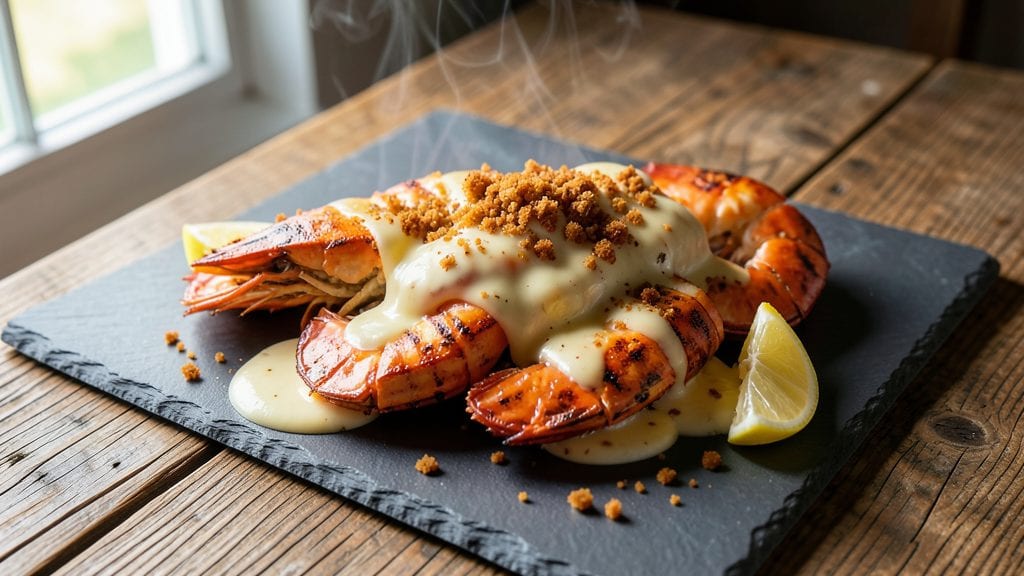
This cheese lobster recipe transforms a luxurious appetizer into a restaurant-worthy experience with just a few precise techniques. The secret lies in balancing sweet lobster meat with rich, melted cheese—where the crust becomes crispy, the cheese velvety, and the lobster stays tender.
I perfected this dish after years of testing, ensuring every bite delivers that perfect harmony of textures and flavors.
What makes this recipe stand out is the buttery crust that forms under the cheese, creating a golden, crispy base that contrasts beautifully with the soft lobster.
The process is straightforward: poach the lobster until tender, then layer it with a blend of sharp cheddar and creamy brie, finishing with a final broil to achieve that signature golden-brown top. This method ensures the lobster remains juicy while the cheese melts into a luscious, gooey blanket.
The result is a dish that’s elegant yet approachable—ideal for special occasions or when you want to impress guests without spending hours in the kitchen. Each bite combines the delicate sweetness of lobster with the savory depth of melted cheese, all held together by that crispy, buttery crust.
The aroma alone will have everyone at the table anticipating the first taste.
Serve this dish with a side of lemon wedges to cut through the richness or pair it with a crisp white wine for the full experience.
Whether you're hosting a dinner party or treating yourself to a luxurious appetizer, this recipe delivers professional-quality results in under an hour. Let’s get started!
Ingredients for cheese lobster
Four lobster tails and a few luxurious ingredients create this showstopping appetizer.
| Ingredient | Amount | Notes |
|---|---|---|
| Live Lobster Tails 🦞 | 1 ½ lb | Fresh, shell-on for stability |
| Unsalted Butter 🧈 | ½ cup | Cold, cut into small cubes |
| Sharp White Cheddar Cheese 🧀 | ¾ cup | Freshly grated, block preferred |
| Brie Cheese 🧀 | ½ cup | Rind removed, cubed |
| Panko Breadcrumbs 🍞 | ½ cup | For extra crunch |
| Fresh Lemon Juice 🍋 | 2 tbsp | From 1/2 lemon |
| Garlic Cloves 🧄 | 2 cloves | Minced, for flavor base |
| Extra-Virgin Olive Oil 🫒 | 2 tbsp | For crust and drizzling |
| Fresh Parsley 🌿 | ¼ cup | Chopped, for garnish |
| Sea Salt 🧂 | 1 tsp | Fine grain, for seasoning |
| Ground Black Pepper 🌶️ | ½ tsp | Freshly cracked |
| Dry White Wine 🍷 | ½ cup | Sauvignon Blanc preferred |
| Heavy Cream 🥛 | ¼ cup | Full-fat for richness |
| Lemon Zest 🍋 | 1 tsp | From 1 lemon, for brightness |
The lobster is non-negotiable—live tails from a trusted seafood market ensure peak freshness. Look for vibrant, bright shells and a briny aroma. Whole Foods or local seafood purveyors carry the best, but frozen tails work in a pinch (thaw overnight in the fridge). The cheese blend is where magic happens: sharp white cheddar for tang and creamy brie for melt. I always buy brie with minimal rind—less to peel, more to eat. For the butter, Plugrá or Land O'Lakes unsalted work perfectly, but never salted—it’ll overpower the delicate flavors.
No panko? Crushed cornflakes or breadcrumbs work in a bind, but panko gives that perfect crisp. Subbing cheddar? Gruyère or aged Gouda adds depth. Short on wine? Dry vermouth or chicken stock mimics the acidity. The heavy cream can be swapped for half-and-half, but full-fat delivers the velvety texture. For the lemon, Meyer lemons add subtle sweetness—worth tracking down if you love citrus. Fresh parsley is ideal, but dried at 1/4 the amount works if you're in a hurry. The garlic should be freshly minced—pre-minced loses potency fast.
Lobster tails keep 1-2 days in the fridge, best used immediately for peak texture. The cheese blend stays fresh for 1 week wrapped in parchment. For make-ahead prep, assemble the dish (without broiling) and refrigerate up to 1 day—broil straight from the fridge. Leftovers? Reheat gently in a 350°F oven until bubbly. The crust loses crispness when reheated, so enjoy fresh or freeze portions for 1 month—thaw overnight in the fridge before reheating.
Why You'll Love This Recipe
- One-Pan Magic: I swear by this—just butter, cheese, and lobster tails on a single sheet. No fancy gadgets, no mess, just melt-in-your-mouth perfection while you sip wine and pretend you’re not cooking at all.
- Rich, Gooey Obsession: That sharp cheddar and brie combo? It’s like a hug for your taste buds. The panko gives it a crunchy shield, but the inside? Pure, creamy, buttery bliss—every bite feels like a little luxury.
- Date Night Ready: No one will guess it took me 20 minutes to make. Serve it with a simple salad, and suddenly you’re the host who always gets invited back. (Between us, I’ve pulled this out for birthdays, anniversaries, and even that awkward cousin visit.)
- Leftovers? Please.: The best part? The lobster stays tender, and the cheese just gets better the next day. Reheat in the oven for 5 minutes, and it’s like you’re eating fresh again—no sad, rubbery leftovers here.
Step-by-step instructions for cheese lobster recipe
Here's how to create a luxurious lobster dish with a perfect buttery crust and creamy cheese filling.
Thaw and Prepare the Lobster Tails
If your lobster tails are frozen, transfer them from the freezer to the refrigerator and let them thaw in their packaging overnight. This slow thawing preserves the texture better than quick methods. Once thawed, gently rinse the tails under cold water and pat them completely dry with paper towels. The shells should be completely dry to help create that crisp crust later.
Using kitchen shears or sharp scissors, carefully cut along one side of each lobster tail to open it lengthwise. Remove the vein running down the center and discard it. This step exposes the tender meat and makes it easier to stuff later. Keep the shells intact as they'll provide stability during cooking and add flavor to the dish.
Create the Cheese and Breadcrumb Crust
In a medium bowl, combine the 0.5 cup unsalted butter, 0.75 cup sharp white cheddar cheese, 0.5 cup brie cheese, 0.5 cup panko breadcrumbs, 1 tsp sea salt, and 0.5 tsp ground black pepper. Use your fingers to work the mixture until it forms a thick, crumbly paste that will adhere well to the lobster. The butter should be cold but workable - if it's too hard, let it sit at room temperature for 5 minutes.
Spread this cheese mixture evenly over the opened lobster tails, pressing gently to ensure good contact with the meat. The crust should be about ¼-inch thick all over. Place the stuffed lobster tails on a baking sheet lined with parchment paper and refrigerate for 15 minutes to help the crust set before baking.
Bake Until Golden and Tender
Preheat your oven to 400°F. While the oven heats, melt the remaining 0.25 cup unsalted butter in a small saucepan over low heat, then whisk in the 0.5 cup dry white wine and 1 tsp lemon zest. Simmer for 3-4 minutes until the mixture reduces by about half and becomes slightly thickened. Remove from heat and stir in the 0.25 cup heavy cream. Keep this sauce warm.
Place the stuffed lobster tails on a baking sheet and bake for 12-15 minutes until the crust is deep golden brown and the lobster meat reaches an internal temperature of 145°F when measured at the thickest part. The shells should be crispy and the cheese should be melted and bubbly. If the crust browns too quickly, tent with foil to prevent burning while the center cooks through.
Finish with Lemon and Parsley
Remove the lobster tails from the oven and immediately drizzle the warm wine-cream sauce evenly over the top. The residual heat will help the sauce cling to the crust. Let the lobster rest for 2-3 minutes while you prepare the final garnish.
In a small bowl, combine the 2 tbsp fresh lemon juice, 2 tbsp extra-virgin olive oil, and 0.25 cup chopped fresh parsley. Drizzle this mixture lightly over each lobster tail. The lemon adds brightness that cuts through the richness of the cheese and butter, while the parsley adds freshness and color. Serve immediately while the crust is still crisp and the cheese is melted.
Pro Tips For Making Cheese Lobster
- Thaw Lobster Properly: If your tails arrive frozen, don’t nuke them—place them in cold water with a plate on top to keep them submerged, then let them sit for 20-30 minutes. I learned this the hard way when my first batch turned rubbery from uneven thawing. Warm water speeds things up, but you’ll lose precious moisture.
- Butter First, Then Cheese: Melt the unsalted butter until it’s foamy but not browned, then pull the pan off heat to add the cheeses. This keeps the cheddar and brie from cooking into a greasy paste instead of a creamy blanket. Trust me, your sauce will thank you—it’s the thing that matters most for that velvety finish.
- Skip the Overcrowded Pan: Cook the lobster tails in batches if your pan is small—two tails max, with space between them. I used to cram them in for speed, and they’d steam instead of sear, leaving the crust soggy. A little patience here guarantees that crispy, golden crust you’re after.
- Toast Panko Separately: Dry-toast the panko in a separate pan over medium heat for 3-4 minutes until it’s a deeper gold. Sprinkle it over the finished dish just before serving so it stays crunchy, not soggy. Sounds weird, but it works—your guests will notice the difference immediately.
Troubleshooting your cheese lobster
Crust Too Soft?
The most common issue is an undercooked crust that stays doughy instead of crispy. This happens when the butter melts too quickly during baking. To fix it, ensure your butter is cold but workable when mixing—it should hold its shape when pressed.
If your kitchen is warm, chill the crust mixture for 15 minutes before spreading it on the lobster. Also, preheat your oven to 400°F for at least 10 minutes to ensure even heat distribution. 🌡️
Cheese Not Melting?
If your cheese stays in chunks instead of melting into a smooth, gooey blanket, it’s likely due to one of two issues: the oven temperature was too low, or the cheese wasn’t fresh. First, verify your oven’s accuracy with an oven thermometer—many run 25°F lower than set.
If the cheese is still stubborn, try adding 1 tbsp heavy cream to the crust mixture before baking. This helps emulsify the cheese for a creamier result.
Lobster Overcooked?
Lobster turns rubbery when overcooked, and this happens fast at high heat. Use a meat thermometer to check the internal temperature—it should reach 145°F at the thickest part. If your lobster is cooking too quickly, tent it with foil after 8 minutes to slow the process.
For extra insurance, poach the lobster tails in salted water for 3 minutes before baking to jumpstart the cooking process and reduce oven time.
Sauce Too Thin?
The wine-cream sauce can turn watery if not reduced properly. To thicken it, simmer the wine reduction for an extra 1-2 minutes until it coats the back of a spoon. If it’s still too thin, whisk in 1 tsp cornstarch mixed with 1 tbsp cold water to stabilize it.
For a richer sauce, replace the wine with chicken stock and add 1 tbsp butter at the end for extra body.
Shells Not Crispy?
If the lobster shells stay soft instead of crispy, they likely didn’t dry properly before baking. Pat them completely dry with paper towels and let them air-dry for 5 minutes on a wire rack before applying the crust. For extra crunch, brush the shells lightly with olive oil before baking.
If they’re still limp, bake at 375°F for the first 5 minutes to dry them out before increasing the heat to 400°F for the final 10 minutes.
Lemon Juice Curdling?
If the lemon juice causes the cheese to separate or curdle when drizzled at the end, it’s likely due to the heat of the lobster. Let the lobster rest for 5 minutes after baking to cool slightly before adding the lemon.
For a smoother finish, mix the lemon juice with the olive oil and parsley into a light emulsion first—this prevents separation. If it happens anyway, simply scrape off the curdled parts and enjoy the rest! 🍋
Nutrition facts
Frequently asked questions
Can I use frozen lobster tails instead of fresh?
Yes, but thaw them properly for best results. Place frozen lobster tails in the refrigerator overnight (not at room temperature) to preserve texture. Pat completely dry before applying the cheese crust—any moisture will prevent a crispy shell. For extra insurance, let them air-dry on a wire rack for 5 minutes before baking.
What's the best cheese substitute if I don't have brie?
Try Gruyère or aged Gouda for a nutty depth, or fontina for extra creaminess. Avoid pre-shredded cheese—it contains anti-caking agents that prevent proper melting. If you're dairy-free, nutritional yeast mixed with olive oil can mimic the cheesy flavor, though the texture will differ.
How do I know when the lobster is perfectly cooked?
Use a meat thermometer to check the thickest part of the tail—it should reach 145°F. The shells should be crispy and golden brown, while the cheese should be melted but not browned. If the crust browns too quickly, tent with foil to prevent burning while the center cooks through.
Can I make this ahead of time for a dinner party?
Assemble the lobster tails with the cheese crust up to 1 day in advance and refrigerate. When ready to serve, bake straight from the fridge (add 2-3 extra minutes to the baking time). For a make-ahead sauce, prepare the wine-cream mixture in advance and reheat gently before drizzling.
What wine pairs best with this dish?
A crisp Sauvignon Blanc or Chardonnay complements the richness of the cheese and lobster beautifully. For red wine lovers, a light Pinot Noir works surprisingly well. Serve chilled—the acidity cuts through the butter and cheese while enhancing the lobster's sweetness.