
Appetizers
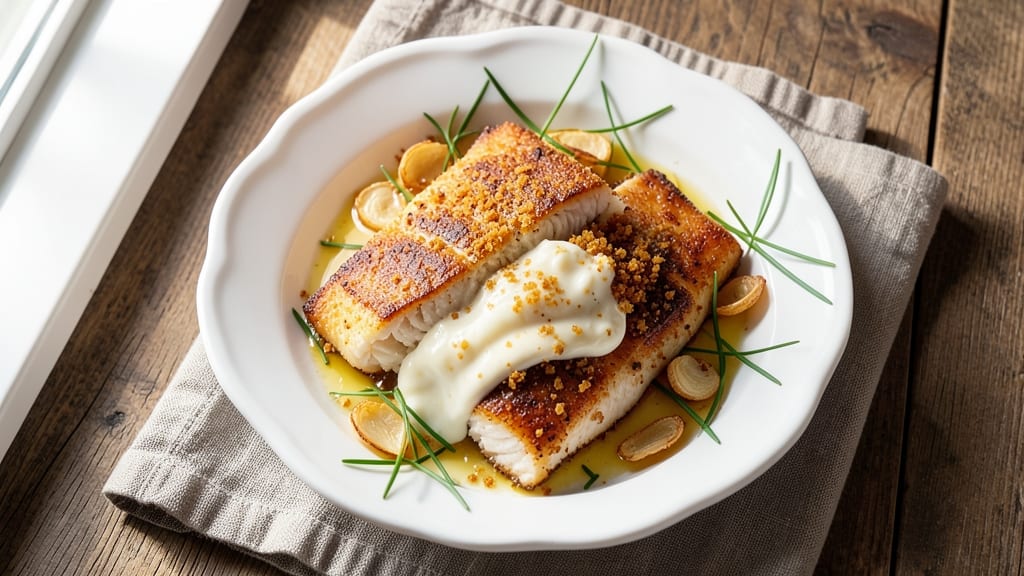
This catfish cheese recipe transforms simple ingredients into a restaurant-worthy dish with a crispy breadcrumb crown that locks in gooey, melted cheese swirls underneath. The secret lies in perfectly seasoned catfish fillets topped with a buttery cheese mixture that bubbles into golden perfection when baked.
I developed this recipe after years of testing different techniques to achieve that ideal contrast—crunchy outside, creamy inside—without sacrificing flavor.
The process is straightforward but delivers professional results. You'll start with fresh catfish fillets lightly seasoned and pan-seared to lock in moisture, then topped with a blend of sharp cheddar and cream cheese before being crowned with a crispy breadcrumb mixture.
The high heat of the oven transforms the cheese into luscious swirls while the breadcrumbs form a golden, crunchy crust that stays crispy even after serving.
What you'll end up with is a dish that looks as impressive as it tastes—juicy catfish with pockets of melted cheese peeking through a crispy breadcrumb blanket.
The contrast of textures and temperatures makes every bite satisfying, while the combination of seafood and cheese creates a flavor profile that's both rich and balanced. This recipe serves four and pairs beautifully with a simple arugula salad or steamed green beans.
Whether you're hosting a dinner party or simply craving something special for a weeknight, this catfish cheese dish delivers restaurant-quality results with minimal effort. The technique is foolproof, and the ingredients are easy to find, making it perfect for both beginners and experienced cooks looking to elevate their seafood game.
Ingredients for catfish cheese
Restaurant-quality seafood meets home-cooked comfort with these 12 essential ingredients.
| Ingredient | Amount | Notes |
|---|---|---|
| Fresh Catfish Fillets 🐟 | 4 pieces | 6-8 oz each, skin-on preferred |
| Sharp White Cheddar Cheese 🧀 | 1 cup | Shredded, aged 6+ months |
| Cream Cheese 🧈 | 4 oz | Full-fat, room temperature |
| Panko Breadcrumbs 🍞 | 1 ½ cups | Japanese-style, toasted |
| Unsalted Butter 🧈 | ¼ cup | Cold, cubed for topping |
| All-Purpose Flour 🌾 | ½ cup | For dredging fillets |
| Diamond Crystal Kosher Salt 🧂 | 1 tsp | Fine grain preferred |
| Freshly Ground Black Pepper 🌶️ | ½ tsp | Coarse grind |
| Garlic Powder 🧄 | ½ tsp | Freshly ground preferred |
| Paprika 🌶️ | ½ tsp | Smoked variety recommended |
| Extra-Virgin Olive Oil 🫒 | ¼ cup | For pan-searing |
| Fresh Lemon Juice 🍋 | 1 tbsp | Bright, freshly squeezed |
The catfish selection is critical—look for firm, white fillets with minimal bruising at your local seafood counter. Whole Foods or Trader Joe's typically carry high-quality catfish fillets, but ask the fishmonger for the freshest cut. The skin should be intact if possible, as it helps keep the fillets together during baking. For the cheeses, aged sharp cheddar provides the perfect balance of tang and creaminess, while the cream cheese ensures those luscious swirls. If you can't find sharp cheddar, Parmigiano-Reggiano works as a substitute for added depth.
No panko? Italian-style breadcrumbs will work in a pinch, though they may not achieve the same crispy texture. Substituting cream cheese for a lighter variety will compromise the melt, but Gouda or Gruyère can add interesting flavor notes. For the flour dredge, cornstarch at half the amount creates an extra-crispy crust. The smoked paprika adds subtle complexity—if unavailable, regular paprika plus a pinch of liquid smoke mimics the effect. Fresh lemon juice is non-negotiable for brightness; bottled won't cut it here. The butter topping should be cold and cubed for optimal browning and texture.
Store fresh catfish in the coldest part of your fridge, wrapped in paper towels, and use within 2 days for peak texture. The cheese mixture can be prepped 1 day ahead and stored in the refrigerator, covered tightly. For the breadcrumb topping, keep it in an airtight container to maintain crispiness. This dish reheats beautifully—350°F for 8-10 minutes restores the crispy crown. Portion into individual servings before baking for easy reheating later in the week.
Why You'll Love This Recipe
- One-Pan Magic: I swear by this for nights when I’m too tired to wash extra dishes—just butter the pan, coat the fillets, and bake. The panko crusts up perfectly without sticking, and cleanup? One spatula, one wipe-down.
- Melty Cheese Dream: That sharp cheddar and cream cheese combo inside? It’s like a hug for your taste buds—creamy, salty, and just a little gooey when you cut in. The butter-basted crust seals in all the flavor so it doesn’t dry out.
- Tailgate or Tuesday: Between us, this is my go-to for game days and lazy weeknights. Double the batch for a crowd, or save half for tomorrow’s lunch—it reheats like a dream (or eat it cold, no judgment).
- Budget-Friendly Feast: Fresh catfish might sound fancy, but fillets stretch far when you’re feeding a family. The cheese makes it feel special, but the panko and butter keep costs low. Honestly, it’s my secret for making simple meals feel like a splurge.
Step-by-step instructions for crispy catfish cheese crown
This method delivers perfectly crisp breading and a molten cheese center every time.
Prepare the Cheese Mixture for Maximum Melting
In a medium bowl, combine the 1 cup sharp white cheddar cheese and 4 oz cream cheese. I use a rubber spatula to fold and press the cheeses together until they form a smooth, pliable dough. This ensures even melting later. The sharp white cheddar provides that signature tang while the cream cheese adds richness and creaminess.
Add the 0.5 tsp garlic powder, 0.5 tsp paprika, and 1 tsp diamond crystal kosher salt to the cheese mixture. Work these spices into the cheese until completely distributed. The paprika adds subtle smokiness while the garlic powder enhances the overall flavor profile. Form the mixture into four equal log shapes, each about 3 inches long, and wrap tightly in plastic wrap. Refrigerate for at least 30 minutes to firm up.
Create the Crispy Breadcrumb Crown
In a shallow dish, combine the 1.5 cups panko breadcrumbs with the 0.5 tsp freshly ground black pepper. The panko's light texture ensures maximum crispiness while the pepper adds a subtle heat that complements the cheese. In another shallow dish, place the 0.5 cup all-purpose flour for dredging.
Pat each of the 4 pieces fresh catfish fillets completely dry with paper towels. This step is critical for achieving crispy breading—the moisture needs to evaporate completely. Season both sides of each fillet with additional diamond crystal kosher salt and freshly ground black pepper if desired, then dredge lightly in the flour, shaking off any excess.
Assemble and Bake for Perfect Texture
Preheat your oven to 400°F. In a small saucepan, melt the 0.25 cup unsalted butter over low heat until completely liquid. Remove from heat and stir in the 1 tbsp fresh lemon juice. This butter mixture will serve as the adhesive for your cheese crowns.
Unwrap one cheese log and place it on top of a catfish fillet, centering it along the thickest part of the fish. Using a small spoon, carefully drizzle some of the melted butter mixture around the edges of the cheese log, creating a seal. Repeat with the remaining fillets and cheese logs. Place each assembled fillet on a parchment-lined baking sheet.
Pan-Sear for Extra Crispiness
Heat the 0.25 cup extra-virgin olive oil in a large oven-safe skillet over medium-high heat until shimmering. Working in batches if needed, carefully place the assembled fillets in the skillet, cheese-side down. Cook for 2-3 minutes per side until the breadcrumbs are golden brown and the cheese begins to soften slightly.
Transfer the skillet to the preheated oven and bake for 10-12 minutes, or until the cheese is completely melted and the internal temperature of the catfish reaches 145°F. The breadcrumbs should be deep golden brown and crispy, while the cheese should have formed a gooey, melted swirl on top of each fillet. Remove from the oven and let rest for 2-3 minutes before serving.
Pro Tips For Making Catfish Cheese
- Pat the fillets dry: Wet catfish skin won’t crisp—no matter how hot your pan. Grab paper towels and press firmly, even if it feels tedious. I learned this the hard way when my first batch came out soggy despite perfect cheese breading.
- Mix cheeses cold: Sharp cheddar and cream cheese soften differently. Grate the cheddar first, then fold in softened cream cheese (not melted—just pliable) to avoid a greasy mess. My grandmother swore by this, and she was right: room-temp cheese sticks better to the fish.
- Don’t overcrowd the pan: Three fillets at once? You’re asking for steam instead of sear. Cook in batches—even if it means two rounds—so the butter sizzles properly. Crowding turns your crispy crust into a sad, greasy blanket.
- Toast panko first: Dry-toasting panko in a separate pan for 2-3 minutes deepens its flavor and prevents it from absorbing all the butter’s moisture. Sounds weird, but it works: the breading stays crunchy longer, and the cheese doesn’t turn into a gluey paste. (Yes, I know, I know—another step.)
Dietary considerations for this dish
Gluten-Free Adaptations
For a gluten-free version, replace the all-purpose flour dredge with ½ cup cornstarch or a gluten-free flour blend like Bob's Red Mill 1:1. The cornstarch creates an equally crispy crust without gluten, while the blend mimics the texture of traditional flour.
Just be sure to pat the catfish completely dry—extra moisture can make gluten-free breading gummy. 🌾
Dairy-Free Cheese Options
Swap the cheddar and cream cheese for dairy-free alternatives like Miyoko's Mozzarella or Violife Sharp Cheddar. These plant-based cheeses melt beautifully and provide that gooey texture.
For the cream cheese component, use Kite Hill Almond Milk Cream Cheese. The flavor won't be identical, but the texture holds up well when baked.
Lower-Carb Modifications
To reduce carbs, skip the breadcrumb crown entirely and focus on the cheese-topped catfish. Use 2 oz cream cheese per fillet mixed with ¼ cup shredded Parmesan (instead of cheddar) for a lower-carb, high-flavor topping. The Parmesan adds umami depth while keeping the dish rich and satisfying. 🧀
Allergen-Friendly Swaps
For nut allergies, ensure all cheese substitutes are nut-free (check labels on dairy-free cheeses). If you're avoiding dairy entirely, use cashew-based cheese like Follow Your Heart Vegan Mozzarella.
For those avoiding seafood, substitute catfish with firm white fish like cod or halibut—the technique remains the same, just adjust cooking time slightly.
Keto-Friendly Version
This dish can be keto-friendly with a few tweaks: omit the breadcrumbs entirely and use 2 tbsp almond flour instead of regular flour for dredging.
For the cheese topping, blend ¼ cup cream cheese with ¼ cup shredded sharp cheddar and 1 tbsp heavy cream to create a lighter, lower-carb mixture. The result is still rich and satisfying while keeping net carbs under 5g per serving. 💪
Nutrition facts
Frequently asked questions about catfish cheese dishes
Can I use frozen catfish for this recipe?
Fresh catfish yields the best texture, but frozen works in a pinch. Thaw it overnight in the refrigerator, pat completely dry, and pat again just before dredging to remove all surface moisture. This extra drying step prevents soggy breading.
What's the best way to prevent the breadcrumb topping from getting soggy?
Completely dry the catfish fillets before dredging and avoid overloading the breadcrumbs. Use 1.5 cups panko total, spreading it thinly over the cheese logs. Bake immediately after pan-searing—never let the assembled dish sit before baking. The high heat seals the moisture in.
Can I make this ahead of time?
Prepare the cheese mixture and breadcrumb topping 1 day ahead and store separately in airtight containers. Assemble the fillets up to 4 hours ahead and refrigerate uncovered (this helps dry the surface). Bake straight from the fridge, adding 2-3 extra minutes to the baking time.
What if I don't have panko breadcrumbs?
Use Italian-style breadcrumbs instead—they'll be slightly denser but still crispy. For extra crunch, toast them in a dry skillet for 2-3 minutes before using. If you're gluten-free, substitute with crushed pork rinds or almond flour mixed with melted butter.
How do I know when the catfish is fully cooked?
Use a meat thermometer to check the internal temperature—it should reach 145°F at the thickest part. The cheese should be fully melted with golden bubbles forming on top. If unsure, cut into one fillet: the flesh should flake easily and appear opaque throughout.