
Main Courses
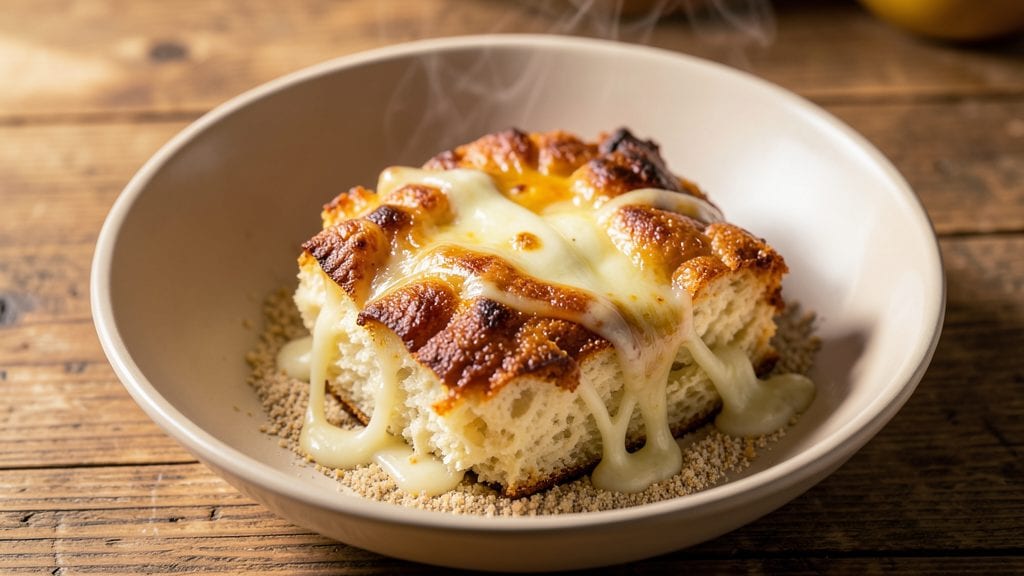
Brazilian cheese bread without tapioca flour delivers the same moist, stretchy magic you love—but with a modern twist. This recipe replaces the traditional starch with a blend of cassava flour and cornmeal, creating a texture that's just as tender and pull-apart perfect.
I developed it after years of searching for a version that didn't rely on hard-to-find ingredients while still honoring the dish's roots.
The secret lies in proper hydration and resting time, which develop that signature chewy interior and crispy exterior. Unlike traditional recipes, this version uses pantry staples and requires no special equipment, making it accessible for home cooks.
The result? A batch of golden, cheesy bread that's every bit as satisfying as the original, but with a texture that's slightly lighter and more adaptable.
What you'll end up with is a tray of stretchy, melt-in-your-mouth bites that are perfect for sharing—no tapioca required. The cheese pulls cleanly from the bread, leaving behind just the right amount of crispness at the edges.
This recipe proves you don't need traditional ingredients to achieve professional results at home.
The beauty of this adaptation is its versatility—serve it warm with soup, as an appetizer, or even as a side to grilled meats. Let's get started on a recipe that brings Brazilian comfort to your kitchen without the limitations of traditional methods.
Ingredients for brazilian cheese bread recipe without tapioca flour
Pantry staples meet Brazilian magic—no tapioca needed for this ultra-moist, stretchy cheese bread.
| Ingredient | Amount | Notes |
|---|---|---|
| Cassava Flour 🌾 | 1 ½ cups | Gluten-free, fine texture preferred |
| Fine Cornmeal 🌽 | ½ cup | White or yellow, not pre-cooked |
| Warm Water 💧 | 1 ¼ cups | 110-115°F for optimal hydration |
| Unsalted Butter 🧈 | ½ cup | Cold, cubed, full-fat preferred |
| Shredded Mozzarella Cheese 🧀 | 2 cups | Part-skim or whole milk, low-moisture |
| Granulated Sugar 🍚 | ¼ cup | White or light brown preferred |
| Active Dry Yeast 🍞 | 2 ¼ tsp | Fresh yeast at half the amount |
| Diamond Crystal Kosher Salt 🧂 | 1 tsp | Fine grain preferred |
| Large Eggs 🥚 | 2 whole | Room temperature |
| Extra-Virgin Olive Oil 🫒 | 1 tbsp | For greasing baking sheet |
| All-Purpose Flour 🌾 | ½ cup | For dusting work surface |
| Freshly Ground Black Pepper 🌶️ | ¼ tsp | Freshly cracked preferred |
The cassava flour is your secret weapon here—Bob's Red Mill or Anthony's Goods are my go-tos for consistent texture. If you can't find cassava flour, arrowroot powder works in a pinch, but the texture will be slightly less tender. The cornmeal adds that signature crispness at the edges, so don't skip it. For the warm water, I use a microwave-safe bowl with 15 seconds at 50% power—just enough to make it cozy without cooking the yeast. The butter needs to stay cold when it hits the dough, so grab it straight from the fridge and cut it into small cubes. Pro tip: European-style butter has more fat content, which gives you that extra-rich pull-apart quality.
No cassava flour? Substitute with equal parts arrowroot powder and cornstarch, though the texture will be slightly denser. The cheese is non-negotiable—pre-shredded gets clumpy, so buy a block and shred it yourself. For a sharper flavor, mix in 1/4 cup grated Parmesan with the mozzarella. The yeast is active dry, so make sure it's fresh (test it in warm water—it should foam in 5-10 minutes). If you're short on time, instant yeast works 1:1, but dissolve it directly in the warm water. The sugar feeds the yeast, so don't skip it—even if you're not sweet-toothed, this isn't a dessert. For a richer flavor, replace half the mozzarella with fontina or Gruyère.
This dough needs time to develop its stretchy magic—let it rest for at least 1 hour, ideally 2, before baking. Shape the bread into a round loaf and bake it on a parchment-lined sheet for easy removal. The cheese pulls cleanly when it's fully baked, so resist the urge to dig in early. Store leftovers in an airtight container at room temperature for 2 days, or freeze the whole loaf for up to 3 months. To reheat, wrap individual pieces in foil and warm in a 350°F oven for 5 minutes. The best part? It reheats beautifully—almost as good as fresh.
Why You'll Love This Recipe
- Pantry-Friendly Magic: I swear by this recipe because it uses what’s already in my cupboard—no weird ingredients or last-minute store runs. Cassava flour and cornmeal blend into a dough that’s lighter than it looks, and the mozzarella melts into that perfect stretchy, gooey center without needing specialty cheese.
- Buttery Cheese Bliss: The warm butter mixed into that dough? Chef’s kiss. It crisps up golden at the edges while staying soft inside, and the mozzarella—when it pulls just right—feels like a hug in every bite. Honestly, the first time I made it, I ate half the batch straight out of the pan.
- Game for Any Meal: This isn’t just a snack—it’s breakfast with eggs, a side for tacos, or a star at brunch. I’ve even tossed leftover pieces into salads for a crispy, cheesy crunch. (Yes, even on a Tuesday night when I’m too tired to think.)
- Zero-Waste Winner: Makes two batches without trying, and they reheat like a dream. Freeze the extras in a bag, and boom—you’ve got a 5-minute lunch when you’re in a rush. Between us, I’ve saved more than a few takeout orders with this trick.
Step-by-step instructions for Brazilian cheese bread without tapioca flour
Here's how to craft that iconic stretchy, melty texture using cassava flour for perfect moisture every time.
Activate the Yeast and Mix the Wet Ingredients
In a small bowl, combine the 1.25 cups warm water (between 110-115°F) with the 2.25 teaspoons active dry yeast and 0.25 cup granulated sugar. Let this sit for 5-7 minutes until it becomes frothy and bubbly—this confirms your yeast is active. If it doesn't bubble, your yeast may be dead, and you'll need to start over.
In a separate large bowl, melt the 0.5 cup unsalted butter over low heat until completely liquid, then let it cool slightly. Add the 2 whole large eggs, 1 tablespoon extra-virgin olive oil, 1 teaspoon Diamond Crystal kosher salt, and 0.25 teaspoon freshly ground black pepper. Whisk vigorously until fully combined and slightly thickened—this base will form the bread's tender crumb structure.
Combine Dry Ingredients and Form the Dough
In the same large bowl, gradually whisk in the 1.5 cups cassava flour and 0.5 cup fine cornmeal until just combined. The mixture will look dry and crumbly at first, but don't be tempted to add more liquid. Cassava flour absorbs moisture differently than traditional flours, so we rely on the butter and eggs for proper hydration.
Gently fold in the 2 cups shredded mozzarella cheese using a silicone spatula, being careful not to overmix. The cheese should be evenly distributed throughout the dough. At this stage, the mixture will appear shaggy and uneven—this is completely normal. The cassava flour creates a unique texture that doesn't behave like traditional bread dough.
Shape and Prepare for Baking
Lightly dust a baking sheet with 0.5 cup all-purpose flour and transfer the dough to the prepared surface. Using lightly floured hands, shape the dough into a 9x13-inch rectangle about 1-inch thick, pressing gently to create an even surface. The edges will naturally pull inward slightly as you work—this helps create that signature pull-apart texture.
Cover the shaped dough with a clean kitchen towel and let it rest at room temperature for 15-20 minutes. This brief rest allows the cassava flour to fully hydrate and the cheese to soften slightly, resulting in a more tender final texture. The dough won't rise significantly during this time, which is normal for this recipe.
Bake to Golden Perfection
Preheat your oven to 375°F while the dough rests. When ready, place the shaped dough on the baking sheet and bake for 25-30 minutes until the top is deep golden brown and the edges begin to pull away from the pan. The interior should feel warm but still slightly soft when tested with a toothpick—this ensures maximum moisture.
For the final 5 minutes of baking, increase the oven temperature to 400°F to create a crispy, golden crust. This high-heat finish is crucial for developing that characteristic chewy exterior while maintaining the moist interior. The bread is done when it springs back slightly when pressed and has developed a rich, caramelized aroma.
Rest and Serve for Maximum Stretch
Remove the bread from the oven and let it cool on the baking sheet for 5 minutes before transferring to a wire rack. This brief cooling period allows the internal structure to set slightly, making it easier to achieve that signature stretchy texture. The bread will continue to soften as it cools completely, so serve it warm for the best experience.
To serve, cut the bread into 1-inch squares and pull gently at the corners to create those signature stretchy strands. The cassava flour creates a unique chewiness while the mozzarella provides that perfect melty contrast. Each bite should deliver a combination of crispy exterior, tender crumb, and gooey cheese—exactly what makes Brazilian cheese bread so irresistible.
Pro Tips For Making Brazilian Cheese Bread Recipe Without Tapioca Flour
- STOP OVERMIXING THE DOUGH: Once you add the warm water to your cassava flour and cornmeal mix, stir just until the dry ingredients disappear—maybe 15 seconds. I learned this the hard way when my first batch turned out dense and chewy. Overworking it activates too much gluten, and this dough doesn’t need it.
- USE COLD, CUBED BUTTER: Cut your unsalted butter into 1-inch cubes and fold them into the dough last, keeping them cold. They’ll melt into pockets during baking, creating that signature buttery pull-apart texture. Skip the softened butter—it’ll make your bread greasy instead of tender.
- PRESS THE DOUGH HARD: Before baking, press the dough into the pan with your hands until it’s firm and even—no gaps. I used to be lazy and just drop it in, which led to uneven baking and a sad, flat center. A good press guarantees that crispy, golden crust all around.
- BAKE UNTIL 365°F INTERNAL: Your bread is done when the internal temp hits 365°F (185°C)—not when it looks golden. I used to pull mine out too early, and it’d stay gummy inside. A meat thermometer makes this foolproof, or press the top: if it springs back slowly, it’s ready.
Wine and beer pairings for these flavors
Crisp White Wine
Brazilian cheese bread pairs beautifully with a dry, crisp white wine like Sauvignon Blanc from New Zealand or Verdejo from Spain. The bright acidity cuts through the richness of the cheese while complementing the cassava flour's subtle earthiness.
I always reach for a Sancerre—its mineral notes and zesty finish cleanse the palate between each stretchy, cheesy bite. 🍷
Light Lager
A crisp German Pilsner or Peroni works wonderfully as a beer pairing. The light, effervescent body balances the bread's richness without overpowering it. For a local favorite, try a Mexican-style lager like Modelo Especial—its subtle malt sweetness enhances the cheese's meltiness.
Serve it ice-cold to contrast the warm bread. 🍺
Coffee Pairing
If you're serving this as a dessert-like treat, a strong Brazilian coffee like Santos or Minas Gerais is a must. The bold, nutty flavors of the coffee mirror the cassava flour's earthiness while the warmth of the brew complements the bread's cheesy richness.
I like to serve it with a cafezinho (tiny espresso) for that authentic Brazilian touch. ☕
Citrus-Infused Sparkling Water
For a non-alcoholic option, try sparkling water infused with lime or grapefruit. The effervescence and citrus notes refresh your palate between bites, making the bread's cheesiness even more enjoyable. I squeeze fresh lime into chilled San Pellegrino for a simple yet sophisticated pairing. 💧
Dessert Wine
If you're serving this as a sweet treat (especially with extra sugar or caramelized cheese), a Moscato d'Asti or Riesling adds a lovely contrast. The slight sweetness and floral notes enhance the bread's cheesiness without clashing. A glass of chilled Prosecco also works beautifully for a celebratory touch. 🍇
Nutrition facts
Frequently asked questions
Why does this recipe use cassava flour instead of tapioca?
Cassava flour creates a lighter, more tender texture that's easier to work with than tapioca's dense, chewy consistency. It also absorbs moisture differently, resulting in that signature stretchy pull-apart quality without the traditional gummy texture. The cornmeal addition helps replicate the crisp edges you'd get from tapioca.
Can I make this recipe without cornmeal?
You can substitute cornmeal with 1/4 cup additional cassava flour, but you'll lose some of the crispy texture at the edges. For a closer match, try 1/4 cup almond flour instead—it adds a nice nutty depth while maintaining the chewy center. The bread will still be delicious, just slightly softer overall.
How do I fix dough that's too dry or crumbly?
If your dough feels dry, add 1 tablespoon warm water at a time until it just comes together when pressed. Overmixing will make it tough, so fold gently. The cassava flour needs minimal liquid—too much water creates a dense, cake-like texture rather than the signature chewy pull. If it's still crumbly after adding water, let it rest 10 minutes covered before shaping.
Can I make this gluten-free?
This recipe is already gluten-free thanks to cassava flour! Just ensure your cornmeal is certified gluten-free (some blends contain wheat). The texture remains identical to traditional versions. For extra insurance, check that your mozzarella and yeast are also gluten-free labeled.
Why did my bread turn out dense instead of stretchy?
Dense bread usually means overmixing or insufficient resting time. The cassava flour needs at least 1 hour of rest to develop properly—skip this and the structure won't form correctly. Also, avoid pressing too hard when shaping (just gently press the edges). For extra stretch, bake at 375°F for 25 minutes before increasing to 400°F for the final 5 minutes.