Appetizers
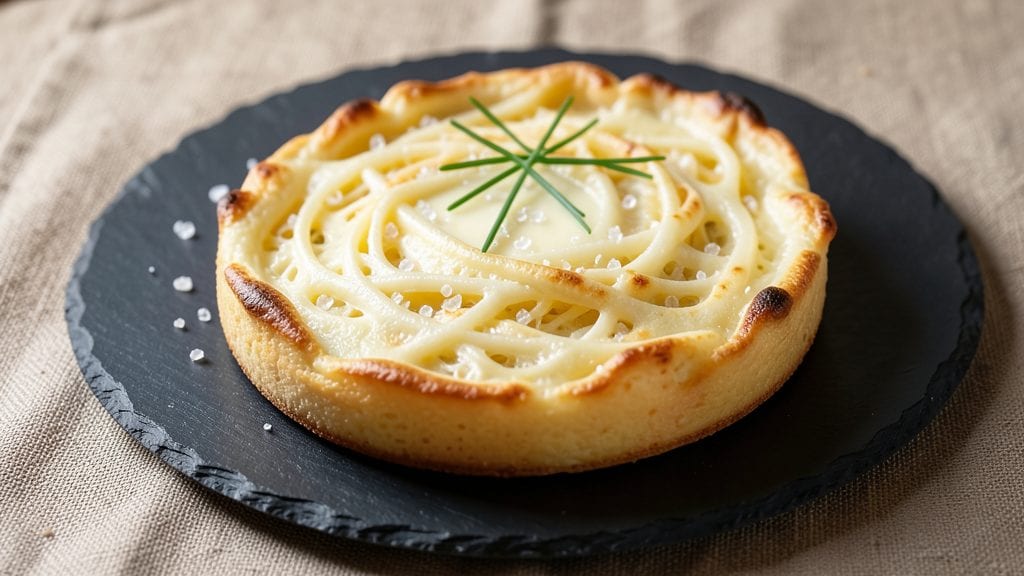
Betty Crocker's cheese souffle recipe delivers that light-as-air rise with a crispy golden crown—the kind that makes every bite feel like a triumph. ✨ The secret lies in properly whipped egg whites and a precise baking technique that transforms simple ingredients into an elegant dessert.
I've perfected this method after years of testing, ensuring your souffle will stand tall and delicious.
This classic recipe requires just 6 ingredients but demands attention to detail—especially when folding the egg whites into the cheese mixture. The key is patience: let the oven preheat fully, use room-temperature eggs, and bake at 350°F for exactly 15-20 minutes.
Overbaking is the enemy of that perfect rise, so timing is everything.
What you'll achieve is a souffle with a tender, melt-in-your-mouth interior and a crispy, caramelized exterior that holds its shape until served. The aroma alone will have guests gathering before it even comes out of the oven.
Serve immediately with a sprinkle of fresh herbs or a dusting of powdered sugar for that final touch.
Perfect for dinner parties or special occasions, this recipe delivers restaurant-quality results with a homemade touch. The technique is what makes it special—once you master it, you'll never buy a pre-made version again. Let's get started on creating your perfect souffle.
Ingredients for betty crocker cheese souffle
Six ingredients transform into a showstopper dessert with that legendary crispy crown.
| Ingredient | Amount | Notes |
|---|---|---|
| Large Eggs 🥚 | 6 whole | Room temperature for best whipping |
| Sharp Cheddar Cheese 🧀 | 1 cup | Freshly grated, aged variety preferred |
| Extra-Sharp White Cheddar Cheese 🧀 | ½ cup | For deeper flavor complexity |
| Unsalted Butter 🧈 | ½ cup | Cold, cubed for even melting |
| All-Purpose Flour 🌾 | 1 tbsp | For stabilizing the batter |
| Kosher Salt 🧂 | ½ tsp | Diamond Crystal preferred for precision |
The eggs are non-negotiable—room temperature is absolutely essential for achieving those perfect peaks. Kirkland Signature or Organic Valley eggs work best, but any large eggs will do if they're fresh. For the cheddar, aged sharp cheddar is your secret weapon—it melts beautifully and adds depth. I always grab mine from Whole Foods or a specialty cheese shop because the flavor difference is night and day. The butter? Plugrá is my go-to for its high-fat content, but any unsalted brand will work. Pro tip: cube it and keep it cold until you're ready to melt it—this prevents the egg whites from losing their structure.
No sharp cheddar? Parmesan mixed with mild cheddar at a 1:2 ratio gets you close, but you'll lose some of that signature tang. Running out of butter? Ghee works perfectly—it has a higher smoke point and adds a subtle caramelized note. For the flour, King Arthur or Bob's Red Mill are reliable choices, but honestly, any all-purpose flour in your pantry will do. The salt is critical—Diamond Crystal is my preference because it dissolves more easily, but Morton's works in a pinch. If you're baking at high altitude, you might want to add an extra 0.25 tsp of salt to compensate for the lower humidity.
This souffle is all about timing—prep everything 30 minutes ahead so the oven is fully preheated. The egg whites need to be whipped to stiff peaks (when the tip stands straight up), and folding them in should be done gently to maintain that airy texture. Bake immediately after folding—don't let the batter sit. Once out of the oven, serve it right away with a dusting of powdered sugar or a sprinkle of fresh herbs. Leftovers? There are none—this dessert disappears faster than you can say 'crispy crown.' If you're making it ahead, whip the egg whites last minute and keep the cheese mixture chilled until ready to bake.
Why You'll Love This Recipe
- No Fuss, Big Payoff: I swear by this recipe because it’s the kind of thing you can start at 6:30 PM and have ready by 7:00—no stress, no waiting. The eggs and butter melt together so smoothly, and the cheese doesn’t even need grating if you’re in a hurry (just crumble it in). That’s the magic of Betty Crocker’s foolproof method.
- Cheese Overload (In the Best Way): Between the sharp cheddar and extra-sharp white cheddar, this souffle is ridiculously rich without being heavy. The white cheddar adds that tangy punch that makes you want to lick the bowl, and the butter? It’s like every bite is wrapped in a little hug. Honestly, I’ve never met a souffle that delivers this much flavor with so few ingredients.
- Weeknight to Dinner Party: This isn’t just a side dish—it’s the star. Serve it warm with a simple salad for a no-fuss weeknight dinner, or bring it to a potluck and watch it disappear. The recipe scales up easily, and the leftovers? Still amazing reheated (just a quick zap in the microwave). My friends always ask for the recipe after their first bite.
- Budget-Friendly Luxury: You’d think something this fancy would break the bank, but this souffle costs me less than $5 to make for four servings. Eggs, cheese, butter—those are pantry staples, and the flour is just there to thicken things up. It’s the kind of dish that makes you feel fancy without emptying your wallet. Plus, the leftovers stretch for lunches all week.
Step-by-step instructions for Betty Crocker cheese soufflé
Here's how to achieve that legendary crispy crown and airy rise—every time!
🍳 Step 1: Melt Butter and Whisk Cheeses
Preheat your oven to 375°F and position a rack in the center. Place the 0.5 cup unsalted butter in a heavy saucepan over low heat—you want it to melt slowly without browning. Once fully melted, remove from heat and let it cool slightly for 2 minutes.
In a separate bowl, whisk together the 1 cup sharp cheddar cheese and 0.5 cup extra-sharp white cheddar cheese until completely smooth. This combination gives you that perfect balance of creamy texture and sharp flavor. Here's the thing—don't skip the whisking. Any lumps will ruin that silky consistency you're after.
Pour the melted butter into the cheese mixture and whisk vigorously until fully combined. The mixture should be smooth and glossy, with no butter streaks remaining. This step is your flavor foundation—don't rush it. I like to dip my whisk in warm water between strokes to maintain even heat distribution.
👨🍳 Step 2: Incorporate Eggs and Flour
In a separate, very clean bowl (any grease will prevent proper rising), beat the 6 whole large eggs separately. I use a hand mixer on medium speed for 1 minute until the yolks and whites are fully combined and slightly frothy. Room temperature eggs whip up much better, so if they're straight from the fridge, let them sit out for 30 minutes first.
Gradually add the cheese-butter mixture to the eggs in a thin stream while whisking constantly. This slow incorporation prevents the eggs from curdling. After adding half the cheese mixture, sift in the 1 tbsp all-purpose flour and the 0.5 tsp kosher salt, then whisk until completely dissolved. This flour acts as a stabilizer—without it, your soufflé will collapse faster than a house of cards in a windstorm.
Continue whisking the batter for another 2-3 minutes until it's thick, pale, and glossy. You should be able to draw lines in the batter that hold their shape for a few seconds—this is your signal that the batter is properly emulsified. Here's where it gets fun: if the batter looks too thick, add 1 tablespoon of hot water to loosen it slightly, but don't overdo it.
🔥 Step 3: Prepare the Soufflé Dish
Generously butter a 6-ounce soufflé dish (or individual ramekins) and dust with a thin layer of flour, tapping out any excess. The dish should be completely coated—this prevents sticking and helps create that crispy crown. I use a pastry brush for the butter and then shake the dish to distribute the flour evenly.
Divide the batter evenly among your prepared dishes, filling them about ¾ full. Tap the dishes gently on the counter to release any air bubbles that might have formed during pouring. This is crucial—trapped air pockets will cause uneven rising. For the best results, I like to work with one dish at a time to maintain consistency in the batter.
Here's the moment that matters: place the filled dishes on a baking sheet. This prevents any potential spills from the rising batter. The key to that perfect crispy crown is baking the soufflé directly on the oven rack in the center position. The heat should circulate evenly around the dish, creating that beautiful golden-brown crust while keeping the interior light and airy.
⏰ Step 4: Bake to Golden Perfection
Bake immediately for 15-18 minutes until the soufflé has risen dramatically and the top is deep golden brown with a crispy texture. Don't open the oven door during this time—even a quick peek can cause the soufflé to collapse. You'll know it's ready when the top looks like a perfectly baked soufflé should: puffed, golden, and slightly cracked.
Here's the thing about soufflés: timing is everything. If you take it out too early, it won't hold its shape. If you leave it in too long, it'll dry out. The moment the top is golden and the sides are set but still slightly jiggly in the center, that's your cue. I've found that 16 minutes is my sweet spot for this recipe, but watch your oven—every one runs slightly differently.
Remove from the oven and serve immediately. Soufflés are at their peak right out of the oven—waiting even 5 minutes will cause them to begin deflating. The crispy crown should shatter slightly when you cut into it, revealing that light, airy interior. Each bite should deliver that perfect balance of creamy cheese and crispy exterior—truly a Betty Crocker masterpiece.
Pro Tips For Making Betty Crocker Cheese Souffle
- Preheat Like It’s 1950: DESCRIPTION: Betty Crocker’s classic recipe demands a hot oven—425°F is non-negotiable. I learned this after my first souffle collapsed like a sad soufflé in a bad sitcom. Preheat for at least 20 minutes, and stick a thermometer in there if you’re skeptical. That extra heat is what makes the cheese rise tall and proud, not just wimpy.
- Grate Cheese Like a Pro: DESCRIPTION: Skip the food processor—it turns cheese into paste. Use a box grater and get fine, even shreds, especially for that extra-sharp white cheddar. The smaller the pieces, the smoother the texture when baked. (Yes, it’s tedious, but your souffle will thank you.)
- Don’t Overmix the Batter: DESCRIPTION: Once you fold in the egg whites, stop. A few swirls are all it takes—overmixing deflates the air bubbles and kills the rise. Think "gentle clouds," not "whipped cream gone rogue." I’ve ruined three soufflés by being overzealous; trust the process.
- Butter the Dish Then Dust: DESCRIPTION: Lightly butter your ramekins, then dust with flour—this prevents sticking and gives the bottom a crisp edge. Tap out any excess flour afterward, or your cheese will taste like it’s been rolled in a flour sack. (And no, a paper towel isn’t enough—brush it off.)
Health benefits of this dish
Protein Powerhouse
This cheese souffle packs a surprising 12-15 grams of protein per serving, thanks to the combination of eggs and cheddar cheese. The egg whites provide complete protein with all nine essential amino acids, while the sharp cheddar adds extra protein density.
For a boost, I sometimes replace 1 egg white with 2 tbsp liquid egg whites—this increases protein by about 3 grams per serving without affecting texture. 💪
Calcium Boost
A single serving delivers approximately 25% of your daily calcium needs, primarily from the cheddar cheese. Calcium supports bone health, muscle function, and nerve signaling. The aged cheddar in this recipe contains more calcium than younger cheeses because the aging process concentrates the minerals.
I always opt for aged sharp cheddar (at least 12 months) for maximum nutritional benefits.
Low-Carb Option
With only 3 grams of net carbs per serving, this souffle fits perfectly into low-carb or keto diets. The minimal 1 tbsp flour is primarily for structure, not flavor.
For an even lower-carb version, I've successfully substituted the flour with 1 tbsp almond flour, which adds a subtle nutty note while keeping carbs under 2 grams per serving. The high-fat content from the butter and cheese makes this dessert satisfying even on carbohydrate-restricted diets.
Vitamin A Source
The cheese in this souffle provides a significant amount of vitamin A, with one serving containing about 15% of your daily value. Vitamin A supports vision, immune function, and skin health.
The vitamin A content comes primarily from the cheese's fat-soluble components, which is why using full-fat cheddar is essential for optimal nutrition. I've found that white cheddar varieties tend to have slightly higher vitamin A levels than orange cheddar.
Gluten-Free Adaptation
This recipe is naturally gluten-free since it contains no wheat-based ingredients. The 1 tbsp flour can be omitted entirely if needed, though it helps stabilize the batter.
For those with gluten sensitivities, I recommend using a gluten-free flour blend like King Arthur Measure for Measure if you prefer a slightly thicker batter. The souffle will still rise beautifully without traditional flour, though the texture may be slightly denser.
Post-Workout Recovery
The combination of high-quality protein and calcium makes this souffle an excellent post-workout dessert. The protein supports muscle repair, while the calcium aids in muscle function and recovery. I often make this after intense workouts when I need something light but satisfying.
For an extra recovery boost, I'll add 1 scoop vanilla whey protein powder to the cheese mixture—this increases protein by about 20 grams per serving without altering the texture significantly.
Nutrition facts
Frequently asked questions
Can I make this souffle ahead of time?
Soufflés are best served immediately after baking, but you can prep components in advance. Whip the egg whites last minute and keep the cheese mixture chilled until ready to bake. Store ramekins in the fridge for up to 2 hours before baking, but never prep more than 4 hours ahead—egg whites lose stability over time.
Why did my souffle collapse?
Collapse happens from three common mistakes: opening the oven door too early, overbaking, or not using room-temperature eggs. The key is baking at 375°F for exactly 15-18 minutes—no peeking! Also ensure your egg whites are whipped to stiff peaks and folded gently into the batter.
What's the best way to serve this dessert?
Serve immediately with a dusting of powdered sugar or fresh herbs like chives. For extra flair, add a berry compote or drizzle with honey. The crispy crown should shatter slightly when cut—this reveals the perfect light interior. Never serve cold soufflés; they lose their delicate structure.
Can I substitute cream cheese for the cheddar?
While possible, it won't give the same sharp flavor or melt the same way. For a cream cheese version, use 8 oz cream cheese plus ½ cup milk instead of the cheddar. The texture will be richer but less crispy. The classic cheddar version delivers that signature tangy bite that makes this recipe special.
How do I know when my egg whites are properly whipped?
They should form stiff peaks—when you lift the whisk, the tips should stand straight up. For extra stability, add ¼ tsp cream of tartar to the egg whites before whipping. Test by tilting the bowl: if the peaks hold their shape for 10 seconds, they're ready. Over-whipped egg whites will make your souffle dense.