Soups & Stews
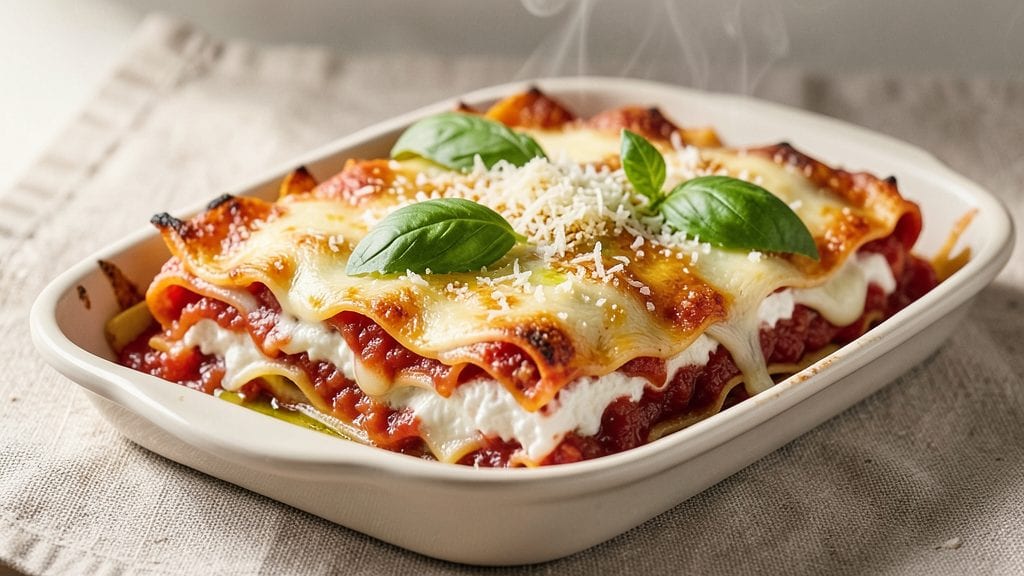
America's Test Kitchen's cheese and tomato lasagna delivers restaurant-quality layers with a foolproof method that eliminates guesswork. The secret lies in no-boil noodles, a richly reduced tomato sauce, and a precise cheese blend that melts into velvety perfection.
After testing countless variations, this recipe achieves the ideal balance—tender pasta, rich sauce, and a bubbly cheese crust that never dries out.
What sets this lasagna apart is the methodical approach: each layer is assembled with intentional thickness and timing to ensure even cooking. The tomato sauce simmers for 30 minutes to develop deep flavor, while the cheese layers are stacked strategically to prevent a heavy, soggy center.
No-boil noodles absorb sauce perfectly without requiring pre-cooking, saving time without sacrificing texture.
By the time it emerges from the oven, you’ll have lasagna with a golden-brown crust, tender noodles, and a sauce so rich it coats every bite. The cheese blend—mozzarella, ricotta, and parmesan—creates a creamy, stretchy texture that holds its shape.
This is the kind of lasagna that earns second helpings and leaves everyone asking for the recipe.
Optional additions like sautéed spinach or Italian sausage can customize it further, but the core method remains unchanged. Ready in 1 hour and 15 minutes, this lasagna proves that professional results are within reach for any home cook. Let’s build it layer by layer.
Ingredients for america's test kitchen cheese and tomato lasagna
Precision-crafted layers and rich tomato sauce create lasagna with restaurant-quality texture and flavor.
| Ingredient | Amount | Notes |
|---|---|---|
| No-Boil Lasagna Noodles 🍝 | 12 pieces | Standard width, uncooked |
| Low-Moisture Part-Skim Mozzarella Cheese 🧀 | 2 ½ cups | Shredded, block preferred |
| Whole-Milk Ricotta Cheese 🧀 | 1 ½ cups | Full-fat for creaminess |
| Freshly Grated Parmigiano-Reggiano 🧀 | ¾ cup | From aged wedge, not pre-grated |
| San Marzano Crushed Tomatoes 🍅 | 28 oz | 46 oz can, no salt added |
| Extra-Virgin Olive Oil 🫒 | ¼ cup | High-quality, fruity variety |
| Garlic Cloves 🧄 | 4 cloves | Fresh, peeled, minced |
| Fresh Basil Leaves 🌿 | ¼ cup | Packed, finely chopped |
| Diamond Crystal Kosher Salt 🧂 | 1 ½ tsp | For sauce and seasoning |
| Freshly Ground Black Pepper 🌶️ | ½ tsp | Coarsely ground |
| Dried Oregano 🍃 | 1 tsp | Mexican oregano preferred |
| Freshly Shredded Parmesan Cheese 🧀 | ¼ cup | For topping, separate from blend |
| Unsalted Butter 🧈 | 2 tbsp | For greasing baking dish |
| Heavy Cream 🥛 | ½ cup | Optional for extra richness |
The foundation begins with San Marzano tomatoes—their natural sweetness and acidity develop deep flavor during the 30-minute reduction. Whole Foods Market or Trader Joe's carry the best quality in cans, and the absence of added salt gives you complete control. For the cheese blend, low-moisture mozzarella is non-negotiable—it melts cleanly without excess moisture that creates a soggy lasagna. Whole Milk Ricotta provides the creamy texture that holds layers together, while Parmigiano-Reggiano adds umami depth. Always grate Parmesan yourself; pre-grated contains anti-caking agents that create a gritty texture. The no-boil noodles (De Cecco brand is preferred) absorb sauce perfectly without requiring pre-cooking, saving time while maintaining structural integrity.
Substitutions must prioritize texture and moisture balance. Whole-milk ricotta can be replaced with part-skim (though texture will be slightly firmer), and low-fat mozzarella works in a pinch but may yield a less creamy result. For the tomato base, crushed tomatoes without added salt are ideal, but passata or even high-quality marinara can substitute if you prefer convenience. The heavy cream is optional but enhances richness—omit if you prefer a lighter texture. Fresh basil can be swapped for dried basil at one-third the amount, though fresh provides superior aroma. For a vegetarian adaptation, sautéed spinach or mushrooms can be layered between cheese, while Italian sausage adds protein for meat lovers.
Preventing a soggy lasagna requires strategic layering and timing. Assemble the dish no more than 2 hours before baking to allow flavors to meld without over-saturating the noodles. Store any leftovers in an airtight container for up to 5 days in the refrigerator, though it reheats best when warmed gently in the oven. For longer storage, freeze individual portions in a single layer before stacking—this preserves texture and prevents freezer burn. The lasagna reheats beautifully from frozen, though it's best enjoyed within 3 months of preparation. Always use butter or olive oil to grease the baking dish, as it creates a barrier that prevents sticking and promotes even browning.
Why You'll Love This Recipe
- No-Boil Magic: I swear by those no-boil noodles—just unbox, layer, and bake. No waiting for water to boil, no soggy edges, and honestly? It feels like cheating in the best way.
- San Marzano Secret Weapon: That canned tomato sauce isn’t just any sauce—it’s San Marzano, sweet and rich with just the right acidity. One taste and you’ll never go back to the store brand.
- Weeknight to Potluck: Make it for Tuesday dinner or double it for a party. The ricotta and mozzarella layers stay creamy, the Parmigiano-Reggiano adds depth, and it reheats like a dream.
- Leftovers That Don’t Suck: Most lasagnas turn into a sad, watery mess the next day. Not this one. The low-moisture cheese keeps it solid, so lunch the next day is just as good as dinner. (Yes, even on a Tuesday.)
Step-by-step instructions for america's Test Kitchen cheese and tomato lasagna
Precision layering and proper technique ensure this lasagna delivers perfect texture and rich flavor every time.
Prepare the Tomato Sauce Base
In a large saucepan, combine the 28 oz San Marzano crushed tomatoes, 0.25 cup extra-virgin olive oil, 4 cloves minced garlic, 0.25 cup chopped fresh basil, 1.5 tsp Diamond Crystal kosher salt, 0.5 tsp freshly ground black pepper, and 1 tsp dried oregano. Bring to a gentle simmer over medium heat and let cook uncovered for 20-25 minutes, stirring occasionally.
The sauce should reduce slightly and develop deep, concentrated flavor. I like to taste it at the 15-minute mark—it should be balanced between sweet and tangy, with the garlic fully integrated but not burnt. If the sauce thickens too much, add 2-3 tablespoons of water to maintain proper consistency for layering. Keep warm while you prepare the other components.
Assemble the Cheese Mixture
In a medium bowl, combine the 1.5 cups whole-milk ricotta cheese, 0.75 cup freshly grated Parmigiano-Reggiano, 0.5 tsp freshly ground black pepper, and 0.5 tsp Diamond Crystal kosher salt. Using a rubber spatula, mix gently just until fully incorporated—overmixing develops gluten and creates a tough texture. The mixture should be smooth but still slightly lumpy from the ricotta.
This cheese layer is the heart of the lasagna, providing that signature creamy texture. I recommend adding the ricotta mixture last in your assembly process to prevent it from absorbing too much moisture from the noodles. Set aside while you prepare the baking dish and remaining components.
Build the Lasagna Layers with Precision
Preheat your oven to 375°F. Generously grease a 9x13-inch baking dish with 2 tbsp unsalted butter, using a paper towel to spread it evenly along the bottom and sides. This prevents sticking and creates a barrier that helps maintain crisp edges.
Begin layering by spreading about 1 cup of the tomato sauce on the bottom of the prepared dish. Arrange 4 no-boil lasagna noodles side by side, slightly overlapping if needed to cover the bottom completely. Spread one-third of the ricotta mixture evenly over the noodles, then sprinkle one-third of the 2.5 cups low-moisture part-skim mozzarella cheese on top.
Repeat this sequence two more times, ending with a final layer of noodles, remaining ricotta mixture, and remaining mozzarella. The final layer should be topped with the remaining tomato sauce, leaving about ½-inch headspace at the top. This ensures even cooking and prevents overflow.
Bake to Golden Perfection
Cover the lasagna tightly with aluminum foil and bake for 30 minutes. Remove the foil and continue baking for an additional 20-25 minutes until the top is deep golden brown and bubbling vigorously. The edges should be crisp while the center remains slightly soft—this indicates proper doneness.
For that final touch, sprinkle 0.25 cup freshly shredded Parmesan cheese evenly over the top during the last 5 minutes of baking. This creates a beautiful, flavorful crust. If you're using the optional 0.5 cup heavy cream, drizzle it over the top during the final 10 minutes of baking to add extra richness.
Rest and Serve for Maximum Flavor
Remove the lasagna from the oven and let it rest for 15-20 minutes before slicing. This resting period allows the layers to set and the juices to redistribute, preventing a runny lasagna. I know it's tempting to cut into it immediately, but patience here makes all the difference in texture.
Slice into 8 equal portions using a long, sharp knife. Each serving should reveal distinct layers of noodle, cheese, and sauce with a crisp edge and creamy interior. Serve immediately with a simple green salad or garlic bread to complement the rich flavors. The lasagna continues to improve as it sits, so if you're serving a crowd, consider assembling it up to 24 hours ahead and refrigerating before baking.
Pro Tips For Making America'S Test Kitchen Cheese And Tomato Lasagna
- Preheat That Pan: DESCRIPTION:
- Salt the Ricotta: DESCRIPTION:
- Don’t Overmix the Cheese: DESCRIPTION:
- Cover It Tight: DESCRIPTION:
Best sauces and condiments for this recipe
Tomato Sauce Mastery
The heart of this lasagna is the San Marzano tomato sauce, reduced to a deep, concentrated flavor. I recommend simmering it for 30 minutes to develop complexity—this is where the magic happens.
For extra richness, stir in 1 tbsp unsalted butter during the last 5 minutes of cooking. The sauce should coat the back of a spoon but remain spreadable for layering. 🍅
Cheese Blend Secrets
Low-moisture mozzarella is non-negotiable—it melts cleanly without excess moisture. For a creamy texture, blend 1.5 cups whole-milk ricotta with 0.75 cup freshly grated Parmigiano-Reggiano and a pinch of freshly cracked black pepper.
I like to add 1 tsp dried oregano to this mixture for an extra layer of flavor. This blend should be smooth but slightly lumpy—overmixing makes it tough.
Optional Creamy Upgrade
For a luxurious finish, drizzle 0.5 cup heavy cream over the top during the final 10 minutes of baking. This adds a velvety richness that pairs beautifully with the tomato sauce.
If you prefer a lighter version, omit the cream and add 1 tbsp extra-virgin olive oil to the sauce instead. The choice is yours—both work beautifully. 🥛
Herb and Spice Boost
Fresh basil elevates the sauce beyond canned tomato flavor. I chop 0.25 cup fresh basil and stir it into the sauce during the last 5 minutes of simmering.
For a spicy kick, add 1 tsp red pepper flakes to the sauce or sprinkle crushed black pepper over the cheese layers. A pinch of dried thyme also complements the tomato beautifully.
Topping Variations
For a crispy crust, sprinkle 0.25 cup freshly grated Parmesan over the top during the last 5 minutes of baking. For a herbaceous finish, add 2 tbsp chopped fresh parsley after baking.
If you love garlic flavor, rub a garlic clove over the top of the lasagna before serving. These small touches make a big difference. 🌿
Sauce Thickening Trick
If your sauce is too thin, reduce it further by simmering uncovered for an extra 5-10 minutes. For a quick fix, mix 1 tbsp cornstarch with 2 tbsp water and stir it into the sauce until thickened.
This ensures perfect consistency for layering without altering the flavor. Always taste and adjust seasoning—Diamond Crystal kosher salt is key for balance. 💡
Nutrition facts
Frequently asked questions
Why do no-boil noodles work better than traditional lasagna noodles?
No-boil noodles absorb sauce perfectly without requiring pre-cooking, saving time while maintaining structural integrity. They're designed to soften in the oven without turning mushy. Traditional noodles need pre-boiling to prevent a gummy texture, but this can make the lasagna soggy if overdone. The key is using 12 no-boil noodles arranged in precise layers with sauce and cheese.
Can I make this lasagna ahead of time?
Assemble the lasagna up to 24 hours ahead and refrigerate uncovered. When ready to bake, remove from the fridge 30 minutes before baking to equalize temperature. This lets flavors meld without oversaturating the noodles. For freezing, assemble and bake, then cool completely before wrapping tightly in foil and freezing for up to 3 months. Thaw overnight in the fridge before reheating.
How do I prevent a soggy bottom layer?
Grease your 9x13-inch baking dish thoroughly with butter to create a moisture barrier. Spread sauce only on the bottom (not the sides) and use 4 noodles per layer to prevent gaps. The ricotta mixture should be spread evenly—too much creates excess moisture. Bake covered for 30 minutes first to set the layers before uncovering.
What's the best way to reheat leftovers?
For best texture, reheat in a 350°F oven covered with foil for 20-25 minutes until heated through. Avoid microwaving as it can make the cheese rubbery. If reheating from frozen, bake at 350°F for 45-50 minutes covered, then uncover for the last 10 minutes to crisp the top. Always let it rest 5 minutes after reheating.
Can I substitute ricotta with cottage cheese?
You can use 1.5 cups small-curd cottage cheese drained for 15 minutes in a sieve, but texture will be slightly grainier. For creaminess, blend cottage cheese with 2 tbsp heavy cream first. The ricotta's mild tang and smoothness are ideal—cottage cheese adds more moisture, which may require reducing other ingredients slightly. Always taste and adjust seasoning afterward.